AI & Design Weekly #2: Anthropic goes public, agents get cheaper


OpenAI GPT-6.1 Terra, Anthropic's IPO filing, Apple HomeView, the r/opensource AI ban and Helsing Contra: AI and design news from October 24–27, 2026.
Key takeaways:
- OpenAI GPT-6.1 Terra makes computer-use agents faster and half the price.
- Anthropic filed for a Nasdaq IPO under the ticker ANT.
- Shared screens like Apple HomeView turn multi-user UX into a core design task.
- Some developer communities now reject AI-built projects, so launch messaging matters.
Twice a week I pick the AI and design news that matter to people who build products. This time the theme is money and scale: AI companies get bigger, models get cheaper, and communities start to push back.
1. OpenAI makes computer-use agents cheap with GPT-6.1 Terra
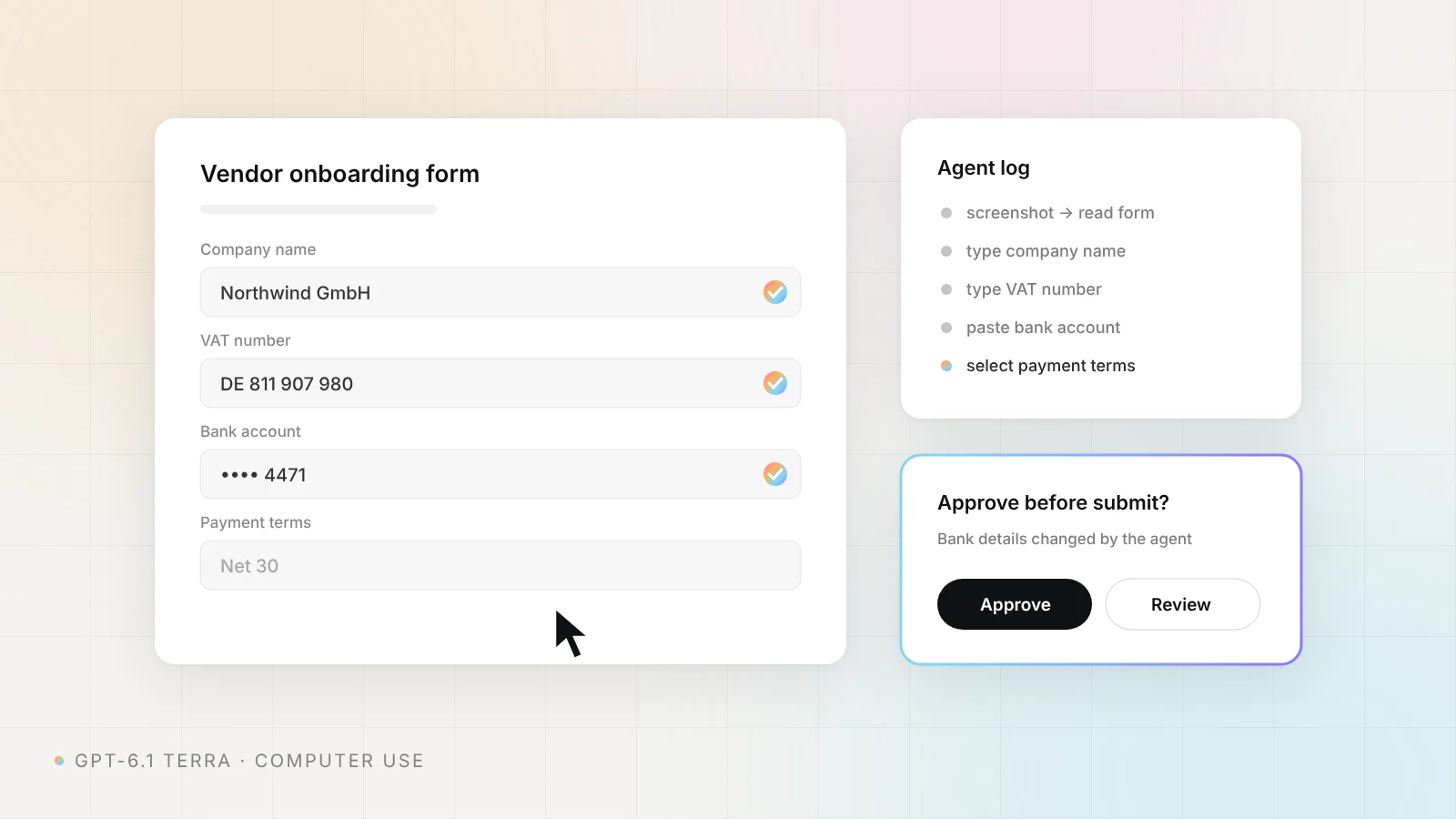
OpenAI launched GPT-6.1 Terra on October 26. It is a fast model for high-volume work with strong image analysis and computer use: filling forms, reading technical drawings, automating desktop tasks. It is available in ChatGPT for Plus, Pro, Enterprise and Edu users, in Codex and in the API as gpt-6.1-terra at $1 per million input tokens and $5 per million output tokens, half the price of GPT-5.6 Terra, which it replaces.
A computer-use agent works in a loop: it takes a screenshot, decides the next action – click, type, scroll – acts, and looks again. Every step is a model call with an image, so price and speed decide which flows are worth automating. Terra halves the price, and OpenAI says it is over three times faster than GPT-6 Astra. The trade-off is depth: OpenAI still recommends Astra or Sol 6.1 for the hardest coding work, so Terra is built for volume, not for hard reasoning.
What it changes: SaaS products get a second kind of user – an agent that reads the screen. Icon-only buttons, actions hidden behind hover, layouts that jump after loading and custom controls that look like plain text slow agents down the same way they slow new users. And when an agent works inside your product for a customer, the customer needs to see what it did and stop it before risky steps like payments or data changes. That is the core of agent UX.
What to do this week:
- Run your three main flows – sign-up, the core task, billing – with a computer-use agent and note where it gets stuck.
- Give every icon button a clear label, visible or accessible.
- Remove layout shifts after load on key screens.
- Mark irreversible actions (pay, delete, send) and add a confirmation step a person sees.
- If your product runs agents, show an action log and a stop button.
Source: OpenAI: Introducing GPT-6.1 Terra
2. Anthropic files to go public

On October 26 Anthropic filed a Form S-1 with the US SEC for an initial public offering. It plans to list Class A shares on the Nasdaq Global Select Market under the ticker ANT. The share count and price range are not set yet. Press coverage of the filing reports revenue of about $16.3 billion in the first half of 2026, up from $1.2 billion a year earlier.
Why it matters: a public Anthropic will report on its business every quarter, so product teams that build on Claude get more visibility into pricing, capacity and roadmap risk. Vendor choice for AI features becomes a board-level question, so it pays to design the product so the model behind it can change without a redesign. That is part of how we approach AI product design.
Source: Anthropic: S-1 filing
3. Apple puts a shared screen in the kitchen with HomeView
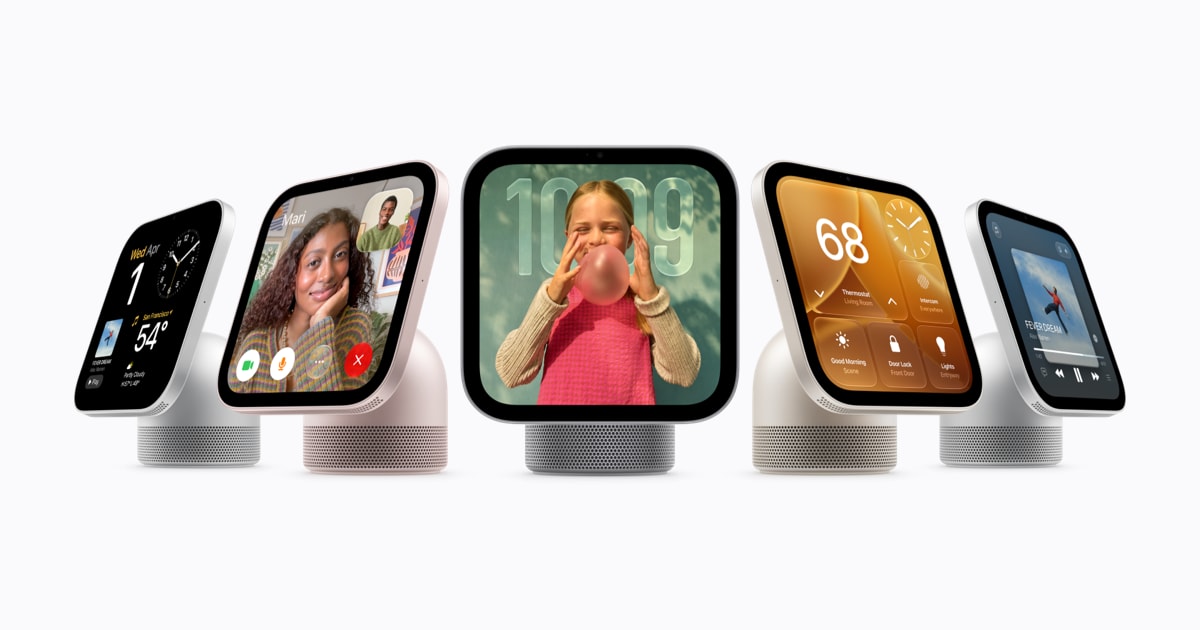
Apple HomeView is a 7-inch home display with speakers, an A18 chip and the new Siri AI in beta. It recognizes up to six people by face and shows each one a personal Home Screen. It controls the smart home by touch or voice and shows up to nine camera feeds at once. HomeView costs $299 in the US; pre-orders opened on October 13 and sales start on November 13. It is not sold in the EU.
Why it matters: one device, many users, and the screen changes for whoever stands in front of it. Shared-device UX – who is looking, what is private, what is household – becomes a design problem for any app that wants a widget there. We start such projects with product UX research: who uses the screen, when, and what each person must not see.
Source: Apple Newsroom: Meet Apple HomeView
{{newsletter}}
4. r/opensource bans AI projects
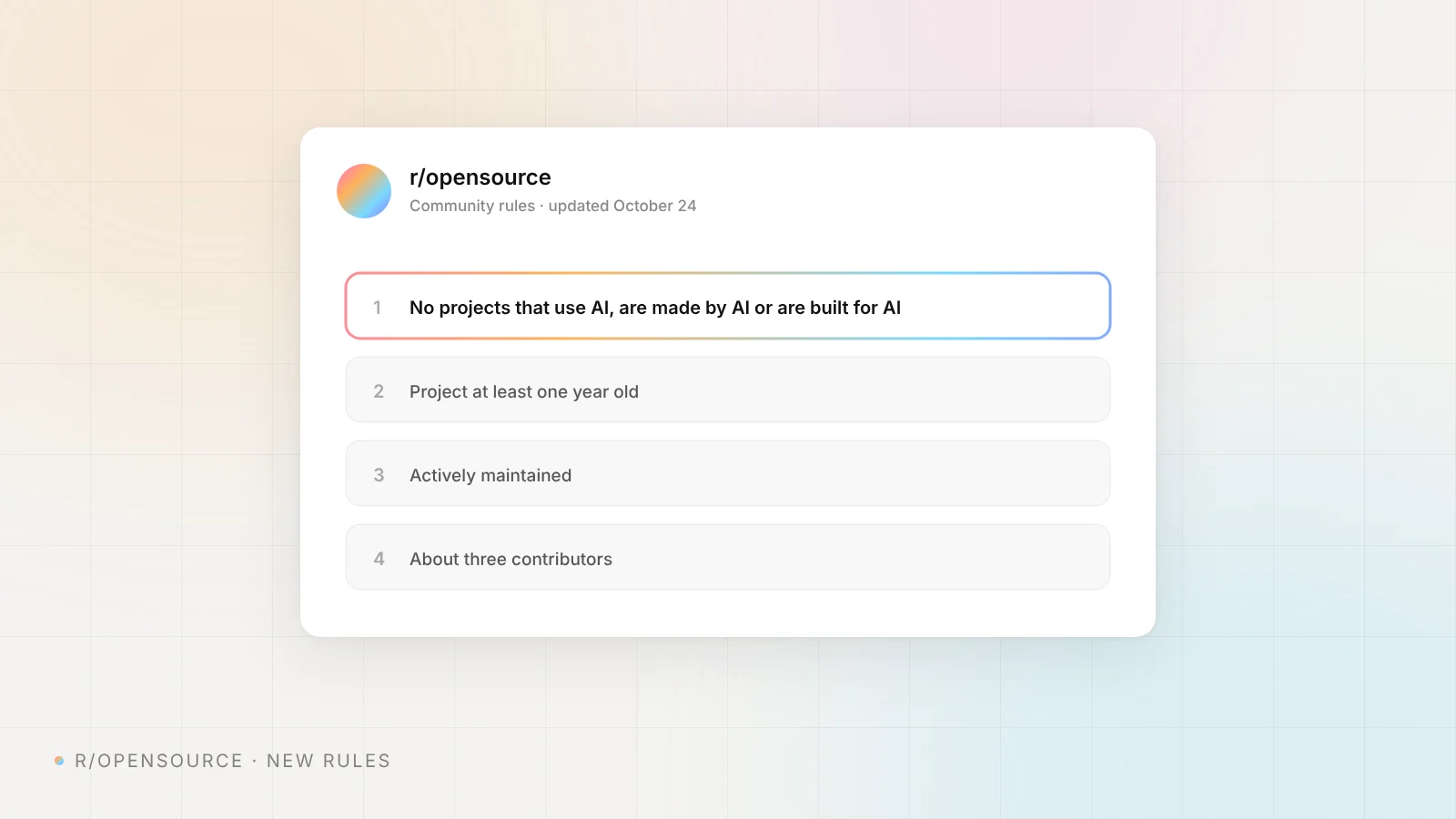
On October 24 the moderators of r/opensource, one of Reddit's main open-source communities, banned projects that use AI, are made by AI or are built for AI. Press reports say other project posts now need a project at least a year old, actively maintained, with about three contributors.
Why it matters: "built with AI" is no longer neutral for every audience. If you launch a product in developer communities, check their rules first and lead with what the product does, not how it was made. If your MVP was built with Lovable, Bolt or Cursor, the bigger risk is not the label but the code: security, backend and UX need a senior review before launch, which is what our vibe code rescue covers.
Source: PPC Land: r/opensource bans AI projects
5. Helsing shows Contra, an AI-run air defence system
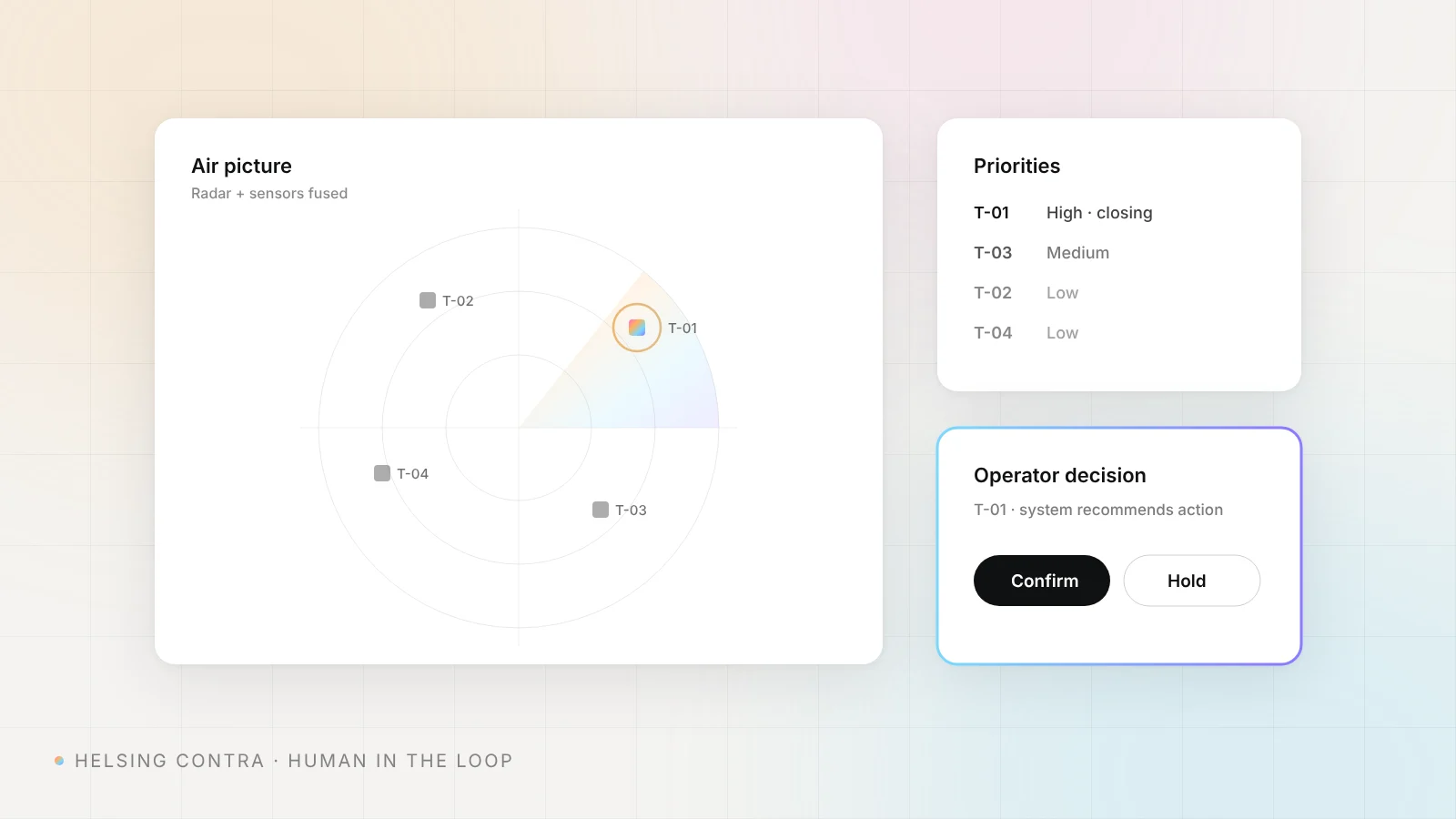
On October 26 in Berlin, Helsing unveiled Contra, an autonomous air defence system built on its Altra software. Contra fuses radar and sensor data into one air picture, and human operators keep control of decisions and priorities. Helsing also showed two interceptors: the jet-powered AD-1 Inferno and the rocket-powered AD-2 Ambush. Both are still in development, with no in-service date announced.
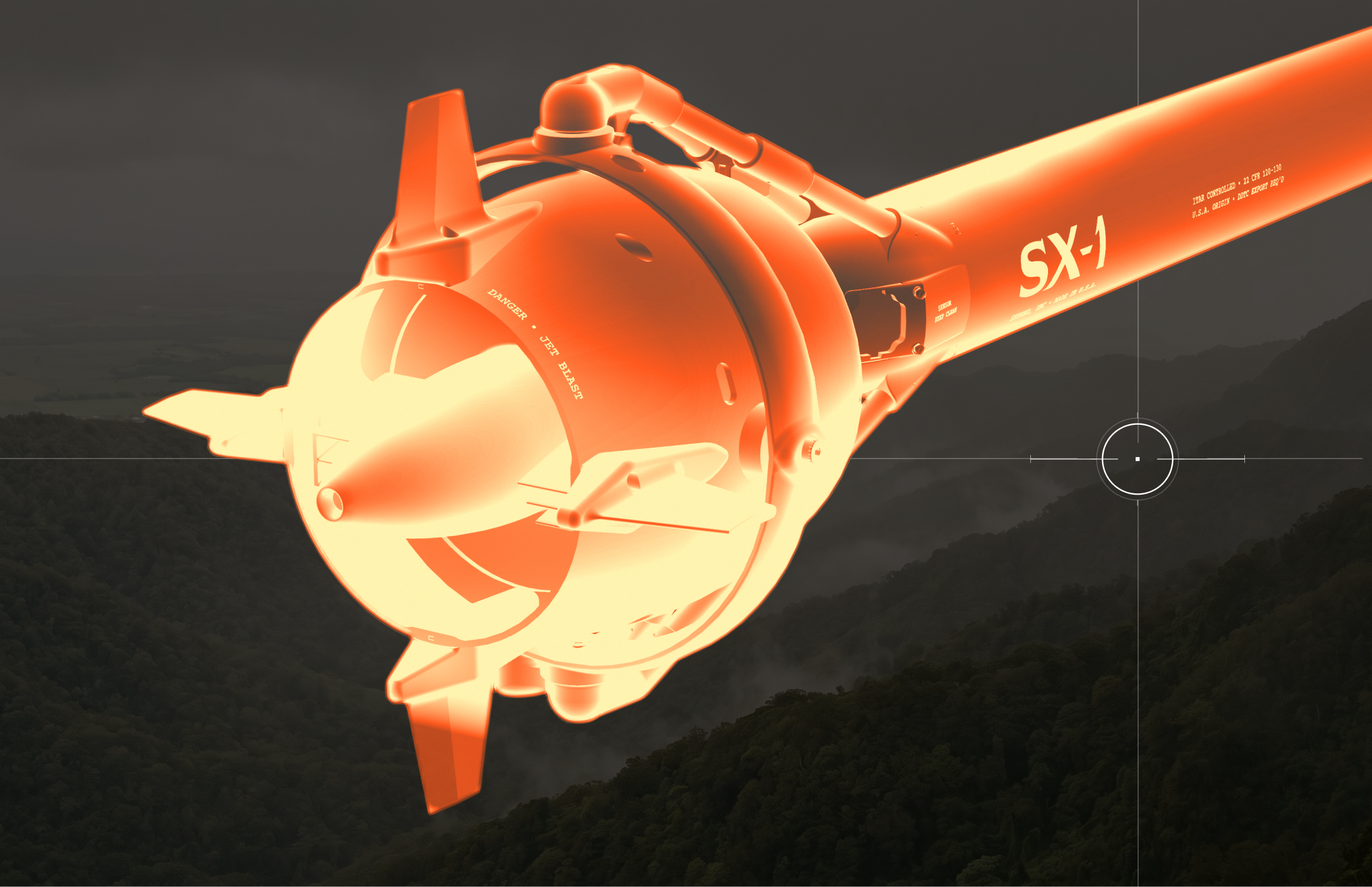
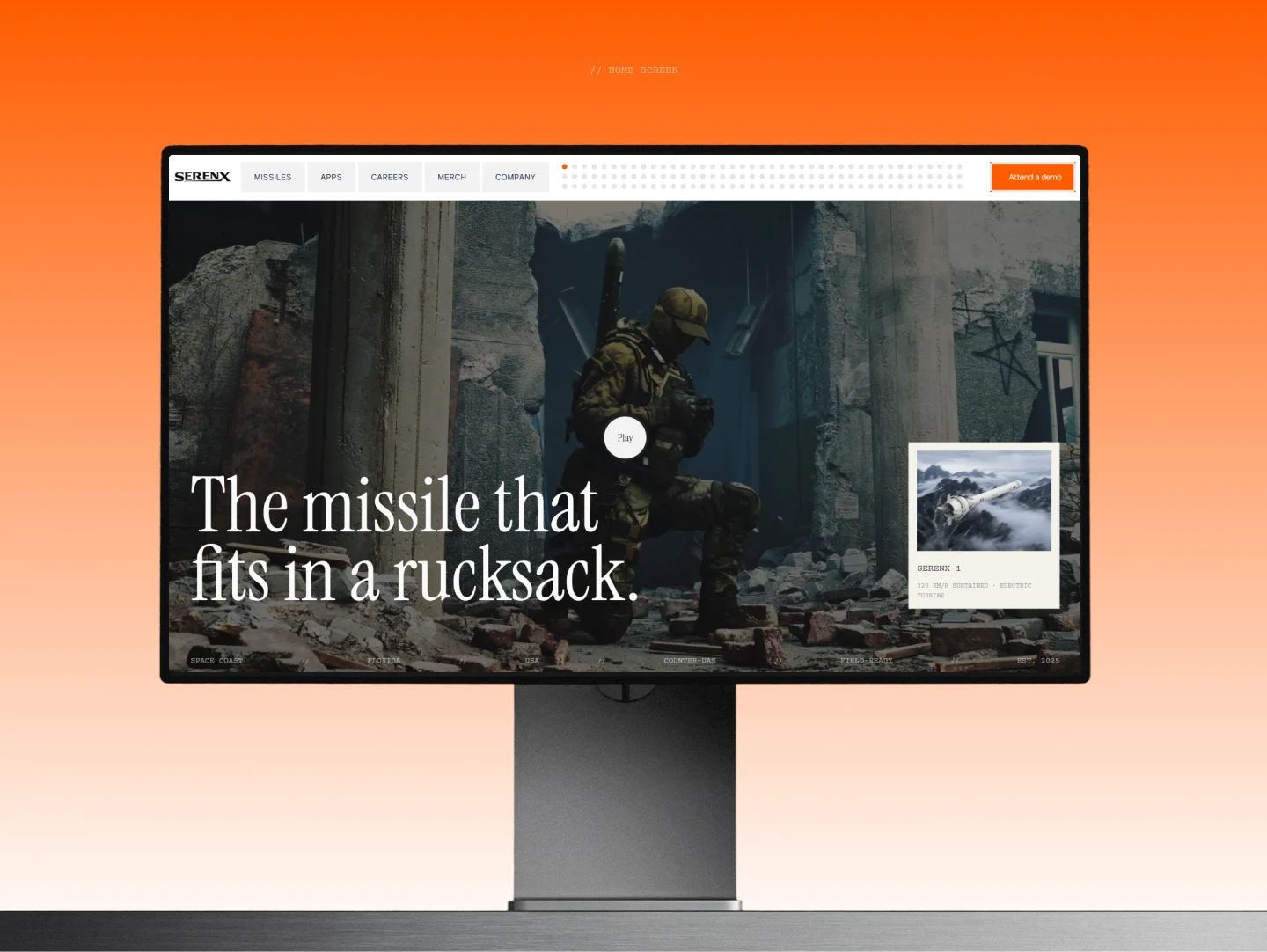
Why it matters: in defence tech the software layer is becoming the product. The operator console – one shared picture, clear priorities, a human decision at each step – is where these systems win or lose trust. We had the same task on SerenX, an interceptor maker: its site shows the KALDREX command app as a live map, so buyers see the operator's view first.
Source: Helsing: Contra
{{case}}
Also this week
- Tekever delivered uncrewed ISR aircraft systems to US Special Operations Command after a flight and acceptance testing programme. Fleet-scale drone software needs a clear ground control interface. Model and value were not disclosed. Tekever
- Anthropic explained how seven people replaced Git with Scion, its own source control system, after daily code changes grew from about 2,500 to over 30,000 (published October 13). Anthropic Engineering
At Cosmos Studio we design AI products and SaaS interfaces – from agent flows to operator consoles. See our work, and if you are adding AI to your product, let's talk.
{{contact}}
FAQ
What is AI & Design Weekly?
A twice-weekly digest by Illia Kulbachnyi and the Cosmos Studio team with the AI and design news that matter to teams building SaaS and AI products.
How do you pick the stories?
We read 30+ design, AI and defense-tech sources, check every claim against the original source and keep only news that changes how products are designed or built.
Can Cosmos Studio design interfaces for AI agents that use computers?
Yes. We design agent flows, approval screens and operator consoles for SaaS, AI and defense-tech products, from UX audit to coded prototype. Book a call to discuss your product.


Related articles
Start your project with Cosmos™
Drop us a message, Anna reviews every brief personally and gets back to you within one business day. From there it's simple: we align on scope, sign the contract, and book your start date. Fast, clear, no back-and-forth.