Claude Ultra, ChatGPT Pro limits and Salesforce-Rune – AI & Design Weekly #4


Claude Ultra drops the 5-hour limit, ChatGPT Pro usage doubles, Salesforce buys Rune, Mistral Large 4 weights: AI and design news, October 29–November 3, 2026.
Key takeaways:
- Anthropic renamed Max 20x to Ultra ($200) and removed the 5-hour limit for verified accounts; the weekly cap stays.
- OpenAI doubled usage for Pro 100, Pro 500 and Business Premium and cancelled a planned Pro 200 cut; from December ChatGPT and Codex share one limit, measured in tokens.
- Salesforce is buying military logistics startup Rune Technologies; Resilience Media reports $375 million.
- Mistral released open weights for Large 4, with 1 trillion parameters and 52 billion active.
Twice a week I pick the AI and design news that matter to people who build products. This week Anthropic and OpenAI both rewrote their plan limits within a day of each other, and that gives every team selling AI usage a pricing screen to rethink.
1. Anthropic drops Claude's 5-hour limit on Ultra as OpenAI doubles ChatGPT Pro usage
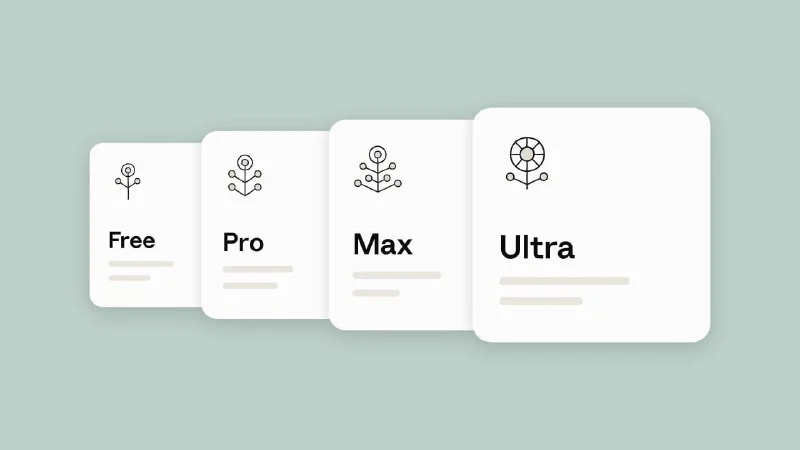
On October 30 Anthropic renamed its top plans: Max 5x is now Max at $100 a month, and Max 20x is now Ultra at $200. Prices stayed the same. Anthropic also said it is "removing the 5-hour limit for verified Ultra accounts, starting today with most existing subscribers". A day earlier OpenAI doubled usage for Pro 100, Pro 500 and Business Premium, and cancelled a cut planned for Pro 200 after users pushed back. The cut was the one we flagged as unconfirmed in issue #3. Plus stays unchanged, and existing subscribers get the new limits automatically.
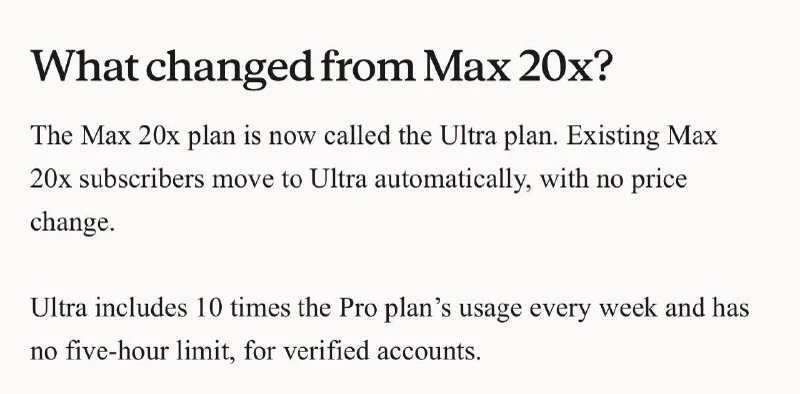
The names hide how these limits work. Claude has two: a rolling 5-hour window and a weekly cap. The old "20x" applied only to the 5-hour window. The weekly cap on Ultra is 10x Pro, against 5x on Max, and that cap stays. So Ultra users lose the pause, not the ceiling. OpenAI's multiples are just as hard to read: it published no absolute numbers, and Fast mode burns 2.5 times the Standard rate and Ultrafast 8 times on some models. Double the quota does not mean double the work. OpenAI's help center adds one more change: from December, Plus, Pro and Business limits will be shared between ChatGPT and Codex and measured in tokens, so what you use depends on the model and the task. Instant chat will not count.
There is a trade-off in removing the short window. A 5-hour limit is annoying, but it also acts as a brake: it stops one long agent run from eating the whole allowance. Without it, a user can reach the weekly cap on a Tuesday and lose the rest of the week. Access now also depends on account status. Newer accounts keep a temporary limit until they are verified, which Anthropic says helps prevent fraud and abuse, and people get an email when it is removed. The pricing page does not define "verified", so two people on the same $200 plan can get different limits.
What it changes for product teams: if you sell AI usage, the limit is part of your interface, and multipliers like "20x" do not explain it. So how do you show AI usage limits in a SaaS UI? Show one meter per limit a person can actually hit, name the reset time, and estimate the cost before a long task starts. A recent UX Collective guide frames it as two decisions: the unit people see themselves spending, and the moment you show it. These states sit next to approvals, task progress and error recovery in agent UX.
Plan by plan:
- Claude Max, $100: 5-hour window stays, weekly cap 5x Pro.
- Claude Ultra, $200: no 5-hour limit for verified accounts, weekly cap 10x Pro.
- ChatGPT Plus, $20: Work and Codex limits unchanged.
- ChatGPT Pro 100 and Pro 500: included usage doubled.
- ChatGPT Pro 200: planned cut cancelled, accounts on the lower allowance moved up.
What to do now: open your usage screen and write down every limit a user can hit, including ones that depend on account status. If a limit has no visible meter or reset time, add one. Then run your heaviest task on your cheapest plan and see what the person gets when the limit arrives: a warning before it, or an error after it.
Illia's take: Removing the 5-hour limit is a good thing. Models will keep getting cheaper because of competition and new technology, and that is how it should be. One day we will look back at this the way we look back at paying for internet with prepaid cards in the 2000s. All these limits will go away; right now we are just living through an era of scarcity. Eventually energy will develop far enough that we can work with AI without any limits.
Source: Anthropic on X and Claude Help: Ultra plan (weekly figures confirmed via explainx); OpenAI Help: Pro tiers and OpenAI Help: ChatGPT and Codex limits (details confirmed via BleepingComputer and Data Studios)
2. Salesforce buys Rune Technologies, a military logistics software startup

On October 29 Salesforce signed a definitive agreement to acquire Rune Technologies and called it its most significant national security acquisition. Rune, founded in 2024 by former Anduril employees David Tuttle and Peter Goldsborough, builds logistics and sustainment software that forecasts supply needs and recommends routes. It keeps working without a stable connection, syncs when the network returns, and is deployed with the US Army and Marine Corps. Salesforce did not disclose the price; Resilience Media reports $375 million in shares and cash, citing two unnamed sources. The deal should close in Q4 of Salesforce's fiscal 2027. Salesforce says its Missionforce defense business grew 80% in a year and holds a 10-year Army contract with a $5.6 billion ceiling.
Why it matters: enterprise SaaS now buys its way into defense, and offline behavior becomes a product requirement. How should software behave when the network drops? Show the time of the last sync, queue changes locally, and mark which data may be stale. These are everyday decisions in defense software UX.
Source: Salesforce: agreement to acquire Rune Technologies; price from Resilience Media
3. Mistral releases open weights for its 1-trillion-parameter Large 4
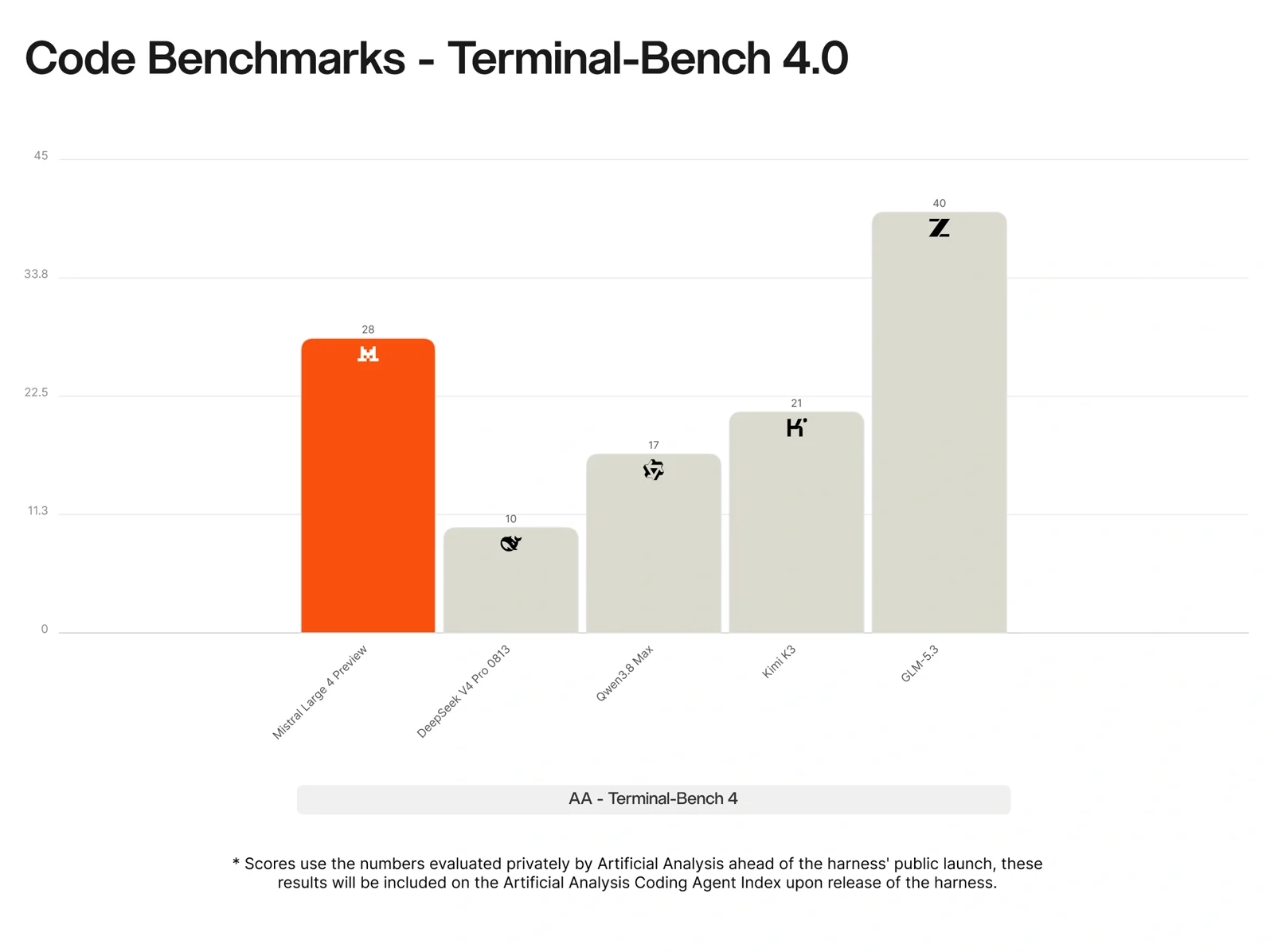
Mistral announced Large 4 on October 6 as a public-preview API and promised the weights by the end of the month; reports on October 29 said they were out. The model is a mixture of experts with 1 trillion parameters in total and 52 billion active. It is multimodal, has Low, Medium and High reasoning modes, and Mistral says it trained the model from scratch on European infrastructure. Mistral's chart, built on Artificial Analysis numbers, gives the preview 28 on Terminal-Bench 4.0: ahead of Kimi K3 (21), Qwen3.8 Max (17) and DeepSeek V4 Pro (10), behind GLM-5.3 (40). Independent preview tests reportedly place it behind the leading closed models.
Why it matters: European buyers ask where a model was trained and where it runs, and now there is a large open option to answer with. When should a SaaS product offer a European model? When your customers' procurement asks for it, and then the region and provider belong in the admin settings, not in a footnote. We work through such choices in AI product projects.
Source: Mistral: Large 4 (weights release and other details confirmed via Let's Data Science)
{{newsletter}}
4. Gallium Defense raises €7.1M for a lower-cost drone detection radar
Paris-based Gallium Defense has raised €7.1 million to develop a drone detection radar that it says could cost as little as €500,000. The company was formally established in April 2026 after development work that goes back to 2024. Its founders Éric Fournier, Robin Mandel and Florian Lemoine all came from BCG.
Why it matters: a cheaper sensor means more operators who use it with less training, so the software has to carry more of the work. How should a drone detection interface rank alerts? By what needs a decision now, with the evidence one click away and everything else out of the way. That is the core of counter-UAS UI design.
Source: Resilience Media: Gallium Defense raises €7.1M (founders confirmed via Consultor)
5. Google's Suncatcher prototype runs Gemma 4 in orbit
{{video:https://cdn.jsdelivr.net/gh/cosmos-studio/cosmos-digest-media@main/issues/04/suncatcher-photo.mp4}}
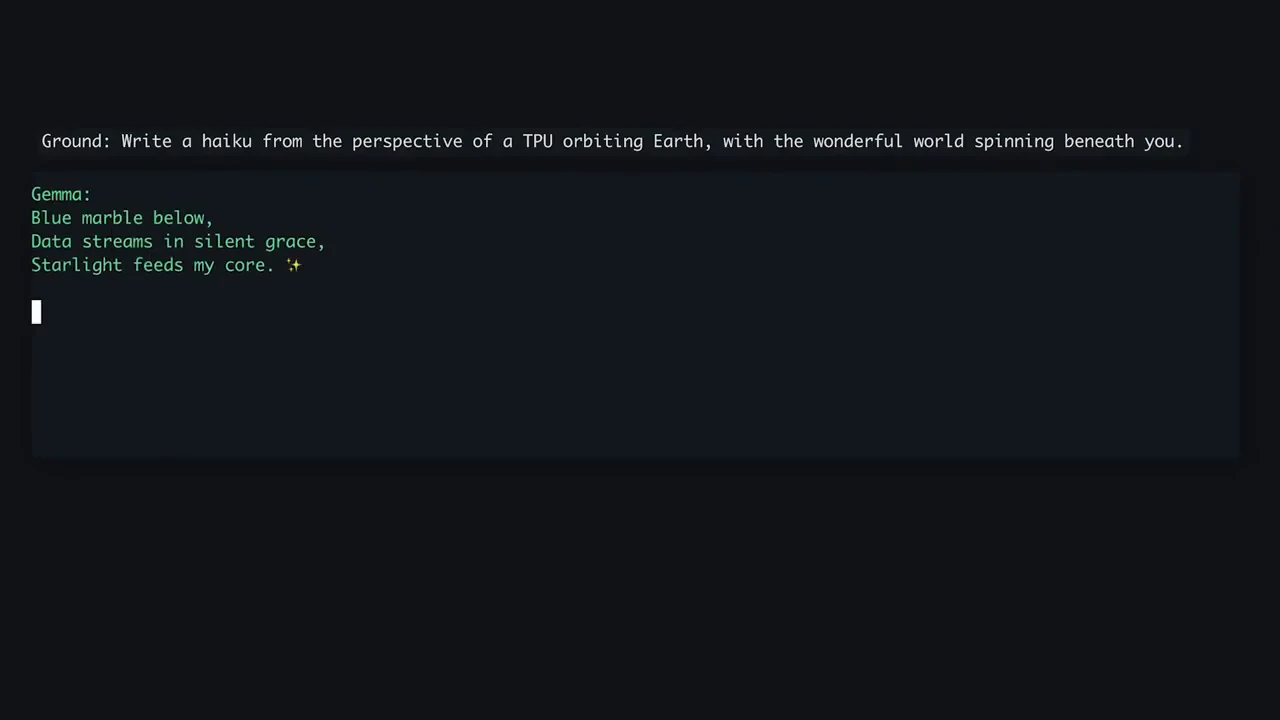
Google's Project Suncatcher prototype satellite launched on October 1 on a SpaceX Falcon 9, and on October 30 Google showed its "Hello World": asked for a haiku, Gemma 4 replied from orbit with "Blue marble below / Data streams in silent grace / Starlight feeds my core". The reply came down as the satellite passed over Svalbard, Norway. Reports say the satellite carries four TPUs with up to 1 kW of power, and that only one TPU runs at a time, for about 20 minutes before power becomes the constraint. Next come thermal stress and radiation tests, then two interconnected satellites in 2027.
Why it matters: nobody will ship a feature on orbital compute soon, but the constraint is a useful one. Compute that arrives in short bursts needs a queue, a clear job status and partial results. Satellite and imagery products already work this way, which is what we design in space and GEOINT UX.
Source: Google: Project Suncatcher satellite response and Google's video; hardware details from TechCrunch (confirmed via AI Weekly); clip from Telegram
6. Desigma ships an open-source, local-first Figma alternative in Rust
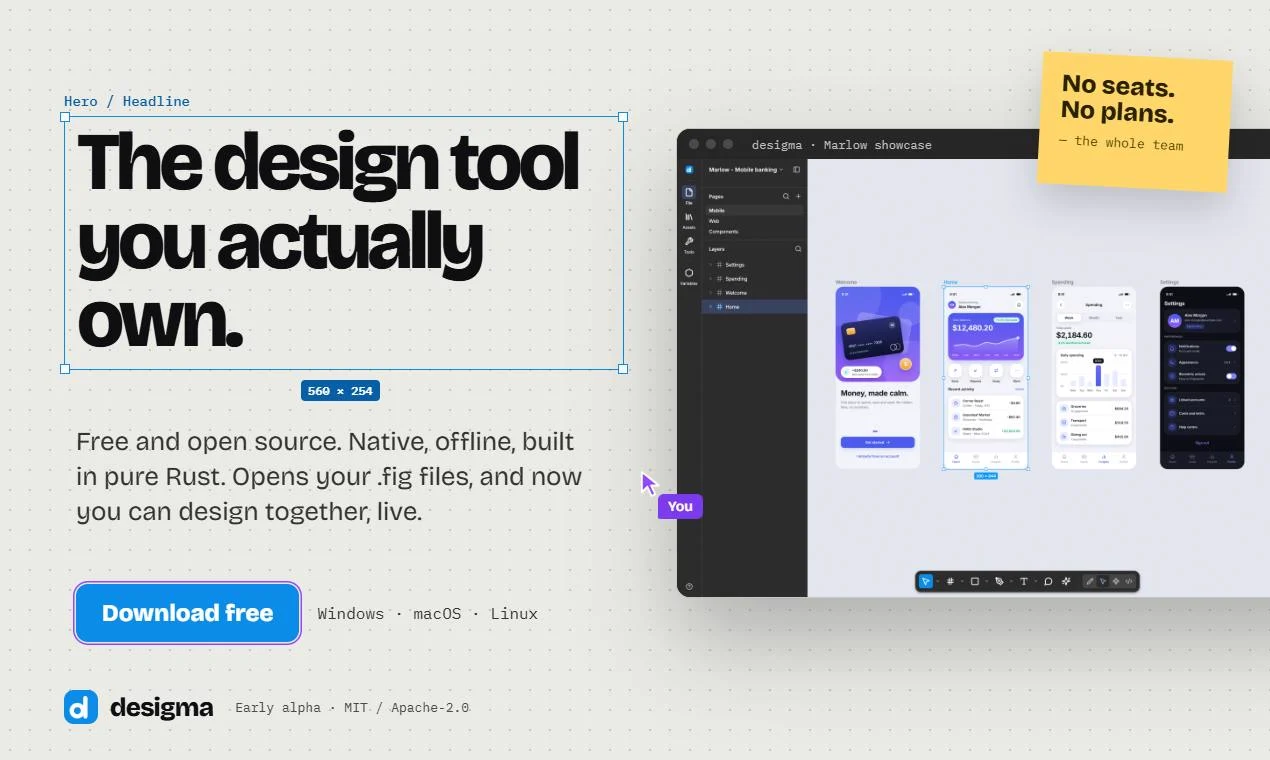
Desigma launched on Product Hunt as a free, open-source design tool under MIT and Apache-2.0, written in Rust with its own renderer. It has frames, auto layout, components with variants, variables with modes, prototyping, whiteboards and slides. It opens .fig files, works offline without an account, supports peer-to-peer live editing, and has an MCP server so agents can edit the open file. It is an early alpha, and the installers are not code-signed yet.
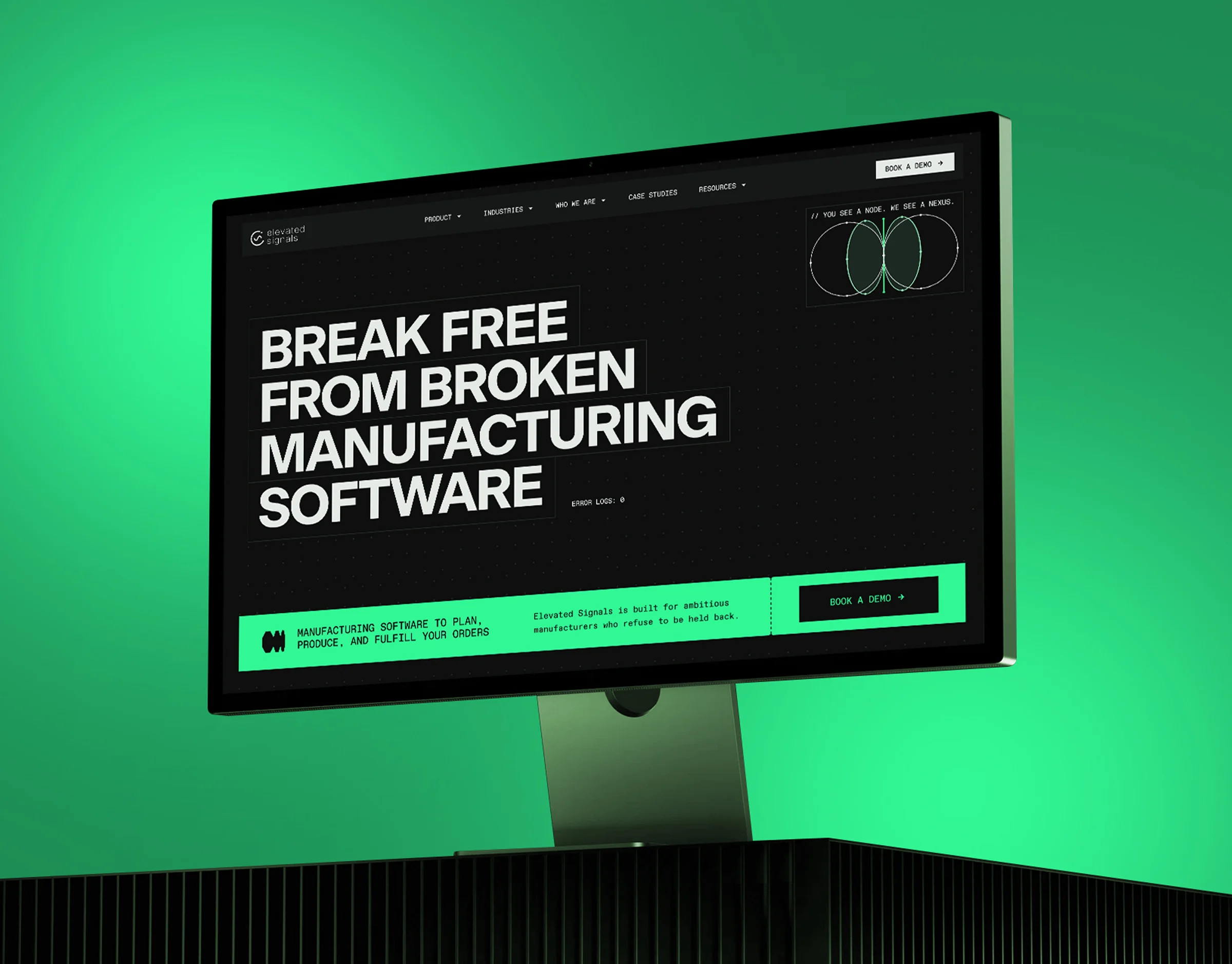
Why it matters: should a design team move off Figma for this? Not yet. Try it on a side project and check how your .fig files survive the import. Then look at your system: tokens and clear component rules move between tools, a pile of one-off screens does not. On Elevated Signals, a manufacturing SaaS, we built a design system with modular components for large data sets.
Source: Product Hunt: Desigma and GitHub: Desigma
{{case}}
7. Subframe Motion and Reanimate hand web animation to coding agents
{{video:https://cdn.jsdelivr.net/gh/cosmos-studio/cosmos-digest-media@main/issues/04/subframe-motion.mp4}}
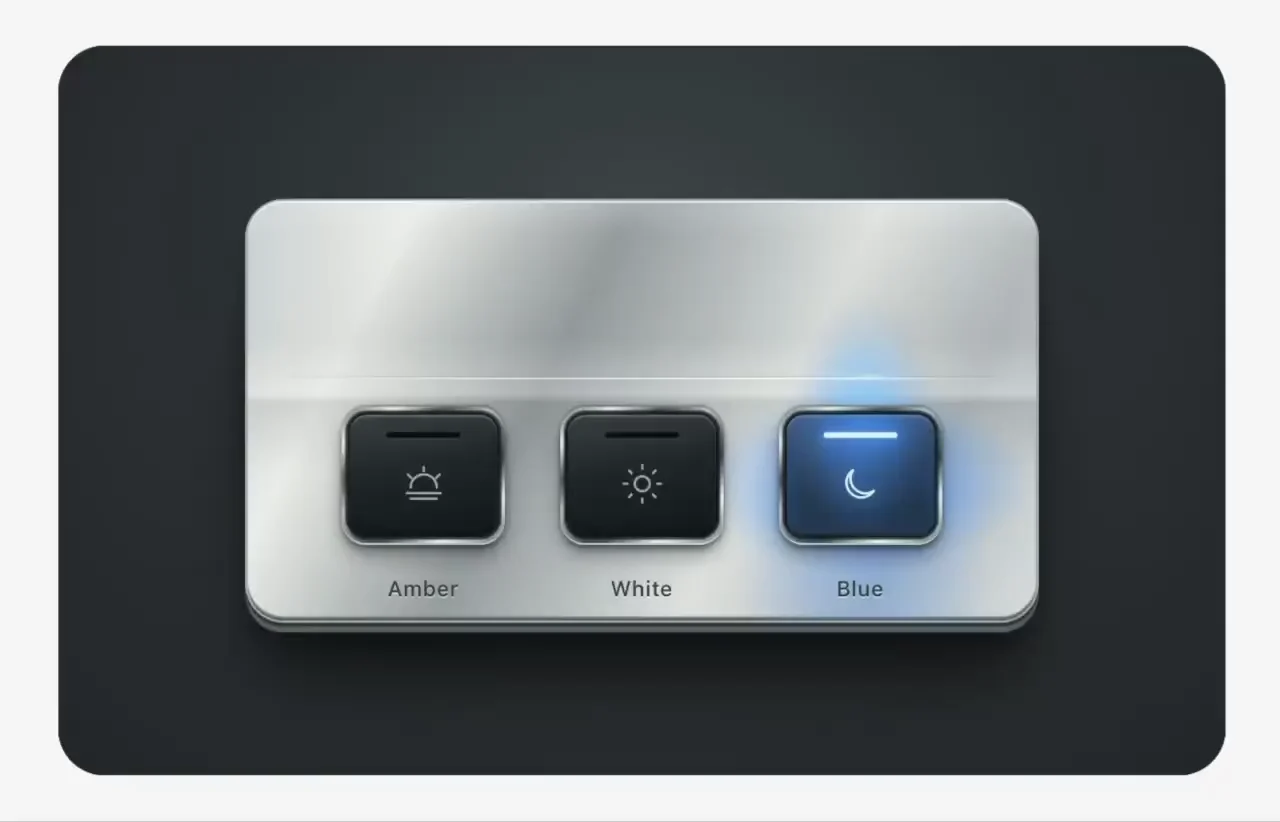
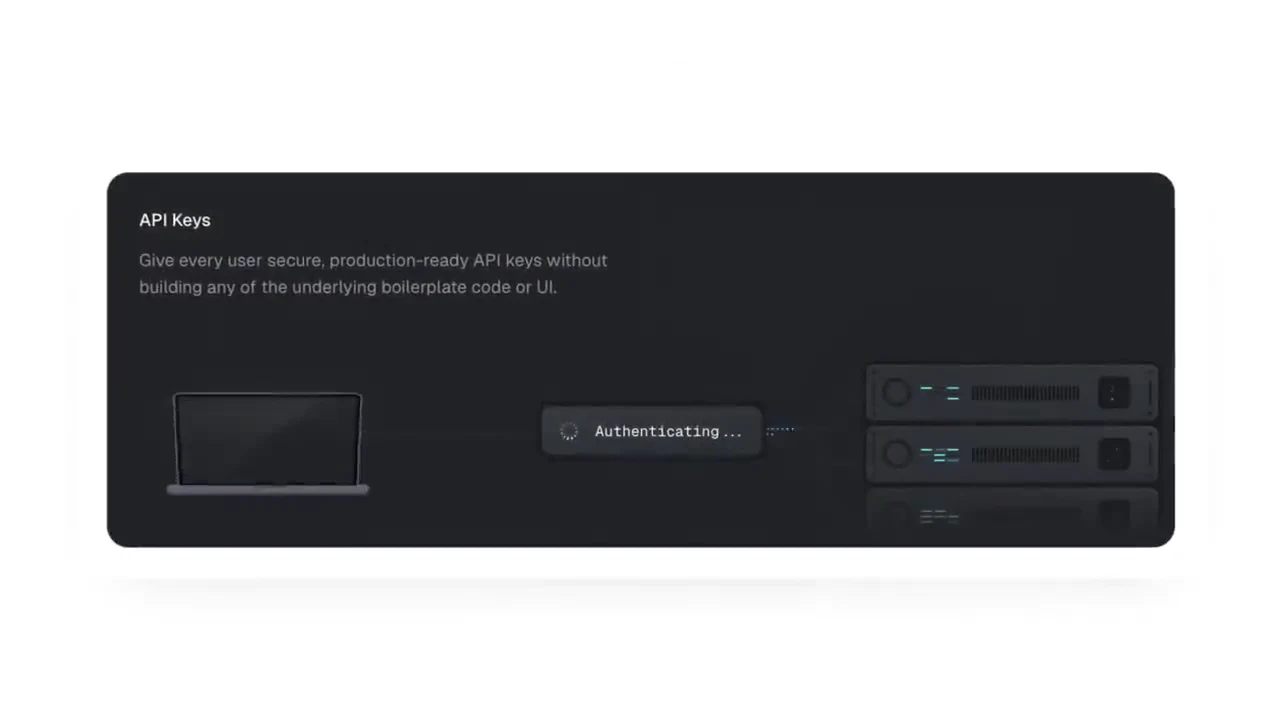
Subframe Motion is a free library of interactive animations, more than 300 by the count of the Telegram channel that shared it. You give an agent a link to an effect, or use MCP. Reanimate is an agent skill that takes an animation from a site, an MP4, a GIF or a Lottie file, rebuilds it in CSS, Framer Motion, GSAP or three.js, then records the copy and compares it with the original.
{{video:https://cdn.jsdelivr.net/gh/cosmos-studio/cosmos-digest-media@main/issues/04/reanimate.mp4}}
Why it matters: motion used to be the part of a handoff that got lost, and now an agent can check its copy against a reference. How do you brief an agent on animation? Give it a reference clip and a stack, then review the result frame by frame, and treat another company's signature effect as a study, not an asset to ship. On the Plarium career site we paired design and Next.js development with game-inspired animation.
Source: Subframe Motion and GitHub: Reanimate (details and videos from Telegram: designshizuxa, berestux)
Also this week
- OpenAI emailed users that Prism, its LaTeX writing workspace for scientists, shuts down on January 1, 2027. The help center has a Prism to Codex migration guide; the date comes from the email quoted on Telegram.
- Hamburg's MuRay raised €7.1M (€3.5M private, €3.6M public funding) for muon imaging of rocket engines and turbine parts. Tech.eu
- NN/g argues that AI-native development reduces UX to AI context, and that UX still has to discover needs, shape what gets built and evaluate it before and after launch. NN/g: The Role of UX in Agentic Software Factories
At Cosmos Studio we design AI products and SaaS interfaces, from usage screens to operator consoles. See our work, and if you are adding AI to your product, let's talk.
{{contact}}
FAQ
What is AI & Design Weekly?
A twice-weekly digest by Illia Kulbachnyi and the Cosmos Studio team with the AI and design news that matter to teams building SaaS and AI products.
How do you pick the stories?
We read 30+ design, AI and defense-tech sources and check every claim against the original source. When only a secondary source confirms a detail, we say so under the story.
How should a SaaS product show AI usage limits to users?
Use one meter per limit a person can actually hit, name the reset time and estimate the cost before a long task starts. Warn before the limit, not after it. We design these screens in SaaS UX projects; book a call to discuss yours.



Related articles
Start your project with Cosmos™
Drop us a message, Anna reviews every brief personally and gets back to you within one business day. From there it's simple: we align on scope, sign the contract, and book your start date. Fast, clear, no back-and-forth.