ChatGPT merges Chat and Work, Images 2.6, Claude finance – AI & Design Weekly #5


ChatGPT folds Work into Chat, Images 2.6 makes GIFs, Claude gets Personal Finance, Neros gets a $450M loan offer: AI and design news, November 3–6, 2026.
Key takeaways:
- OpenAI will fold ChatGPT's Work tab into Chat, starting with a limited group of users; Codex stays a separate mode in the desktop app.
- Images 2.6 makes GIFs in ChatGPT from a plain request, with playback speed from 0.5x to 2x.
- Claude Personal Finance, in beta, reads bank and card data through Plaid and cannot move money.
- OpenAI's agents produced 948 working Linux kernel exploits for $1.2M in API credits, and Neros got a conditional US loan commitment of up to $450M.
Twice a week I pick the AI and design news that matter to people who build products. This week the biggest change is a small one on screen: ChatGPT is dropping the line between talking about a task and doing it.
1. OpenAI folds ChatGPT's Work tab into Chat
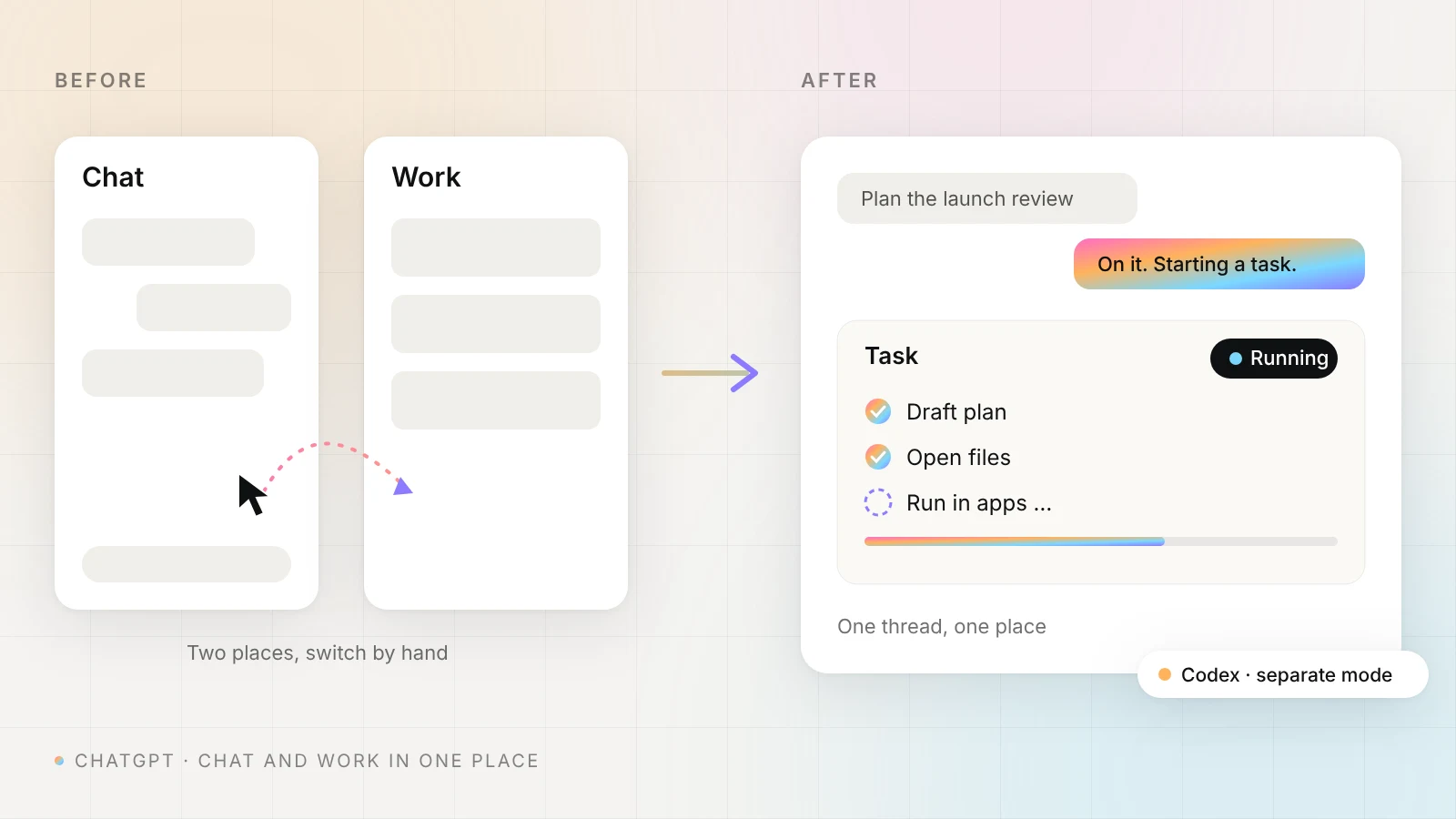
OpenAI told users by email that it will fold Work, the experience it introduced earlier this year, into the main Chat mode. "This will enable you to move from exploring an idea to having ChatGPT carry it through, all in one place," the email says. In the new interface ChatGPT can take on more complex tasks with connected apps and files, and people can watch its progress and correct it along the way. Codex stays a separate experience in the ChatGPT desktop app. The change reaches a limited group of users first; OpenAI gave no date for everyone else.
The merge comes with the limit change we covered in issue #4: from December, Plus, Pro and Business plans share one usage pool between ChatGPT and Codex, counted in tokens, and Instant chat does not draw from it. Put the two together and the cost of a message now depends on what ChatGPT decides to do with it. A question costs little. The same question turned into a task with apps and files can burn a good part of the allowance, and in one thread the user may not notice the switch.
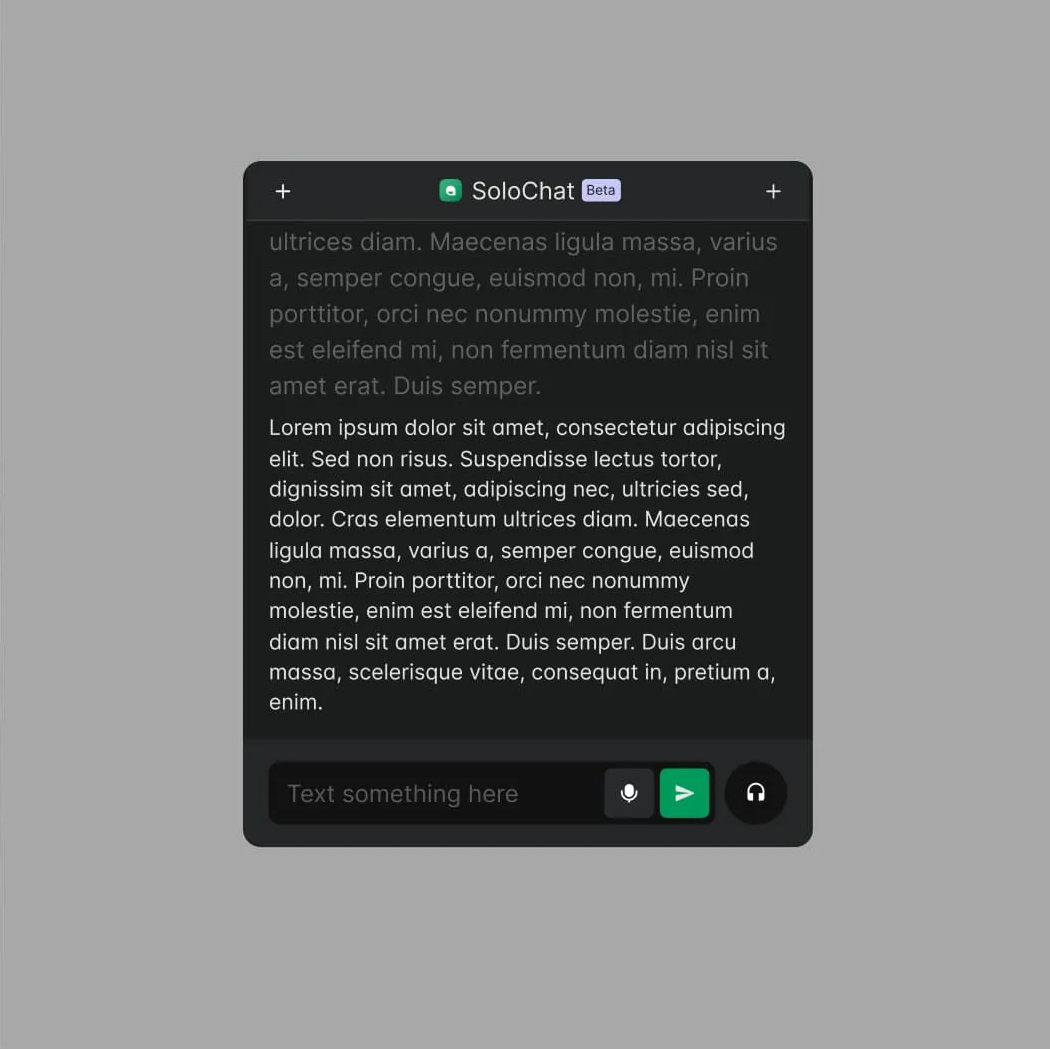
What it changes for product teams: a separate Work tab was a clear contract. People went there when they wanted the agent to act and knew what that meant. One thread removes the trip between tabs, but the product now has to show the moment a reply becomes a task. So how do you show an AI agent's task inside a chat? Give the task its own block in the thread with its steps, a status and a stop button, say which apps and files it will touch before it starts, and leave a short summary when it ends. On SoloChat, a macOS AI assistant, we kept source search, product comparison, code help and voice mode in one compact interface so the app stays fast and easy to learn.
Before and after the merge:
- Before: the person chooses the mode by opening the Work tab. After: ChatGPT moves from answering to doing inside the same thread.
- Before: the tab name told people that an agent was acting. After: the thread itself has to show when a task starts, what it touches and when it ends.
- Before: chat and agent work were separate places. After: one place, while Codex keeps its own mode in the desktop app.
What to do now: if your product has a chat and an agent mode, list the moments where an answer turns into an action. Mark each one in the interface with a visible state and a way to stop it. Then check what the person sees about cost or limits before a long task starts, not after.
Illia's take: Merging everything into one tab is a very good move, because it simplifies the interface, and a simpler interface makes working with it more efficient. So I am all for this approach. What I don't quite understand is why some AI providers make their interfaces more complex and split similar tools into different tabs when they do the same job.
Source: TechCrunch: OpenAI is merging ChatGPT's Chat and Work tabs (email quotes and rollout confirmed via Let's Data Science)
{{case}}
2. OpenAI Images 2.6 makes GIFs in ChatGPT
{{video:https://cdn.jsdelivr.net/gh/cosmos-studio/cosmos-digest-media@main/issues/05/images26.mp4}}
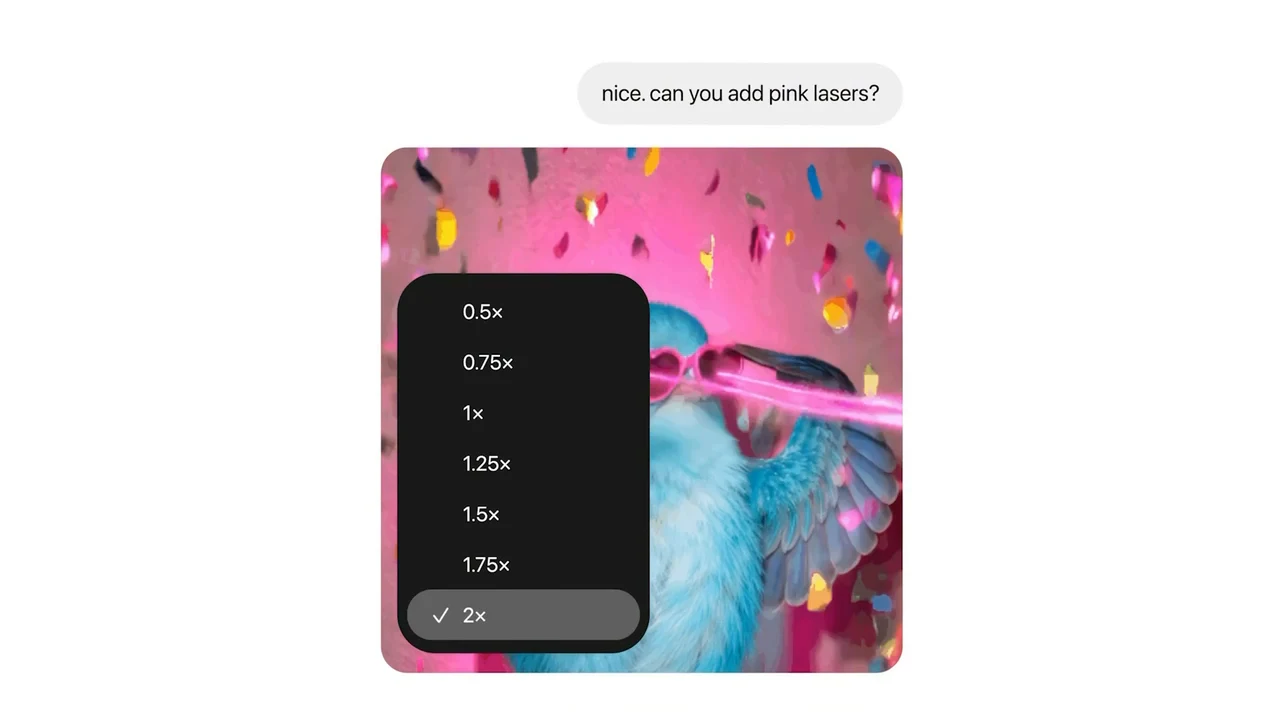
OpenAI released Images 2.6, and ChatGPT now makes animated GIFs from a plain request. In OpenAI's demo a person asks for a dancing GIF, then adds "can you add pink lasers?" and gets an edited version, with a playback speed menu from 0.5x to 2x. Telegram channels that shared the release add more: you can adjust single frames and save reference images under a name, so a pet's name in a prompt pulls its photos. Developers get two API models, GPT-Image-2.6 Flare, which the channels say makes an image in about 6 seconds, and the slower Sunburst, which keeps edits more consistent.
Why it matters: a GIF used to need a motion designer or a video tool, and now it is a chat message away. Can a product team use AI GIFs for onboarding or marketing? For drafts and internal demos, yes; for anything that carries the brand, treat the output as a sketch and set rules for style and reuse of saved references. We use AI this way in AI content production, with a designer in charge of the final frame.
Source: OpenAI: Introducing Images 2.6 (details from Telegram: kgnvsk_ai, imatrofAI, oooneuro; video from OpenAI via kgnvsk_ai)
3. Anthropic connects Claude to bank accounts with Personal Finance
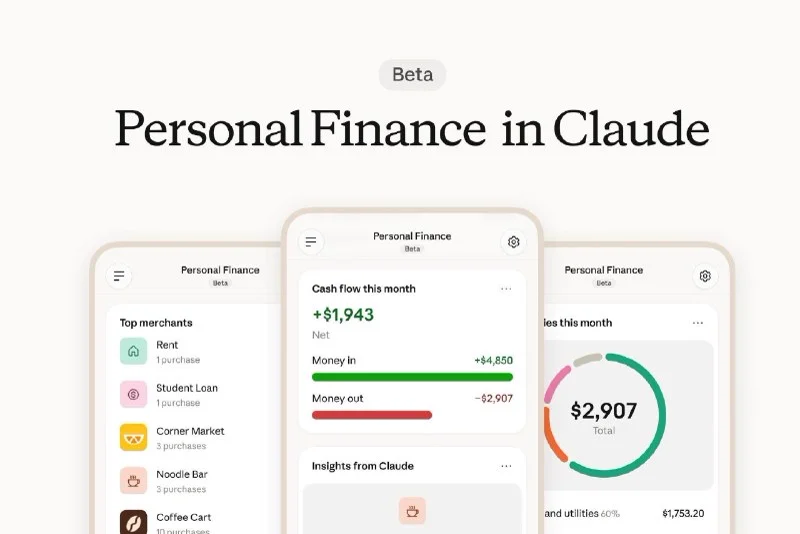
Anthropic is adding Personal Finance to Claude as a beta. It connects bank and card accounts through Plaid, and you can ask where your money went this month, which bills are left before payday, or whether a big purchase fits, The Verge reports. Access is read-only: Plaid handles the connection, so Claude does not see bank passwords, and Anthropic says Claude cannot move, manage or invest money and does not give investment advice. Several outlets describe the feature as in testing, so who gets it first is still unclear.
Why it matters: financial data is where trust in an AI assistant is tested first. How do you design permissions for an AI that reads bank data? State what it can and cannot do on the connect screen, use a known provider for the connection, and show the source transactions behind every summary so people can check the numbers. These trust screens are a core part of our AI product design work.
Source: The Verge: Claude Personal Finance with Plaid (details via kgnvsk_ai on Telegram; image from Anthropic)
{{newsletter}}
4. Figma shows how designers test ideas with code layers and the Figma agent
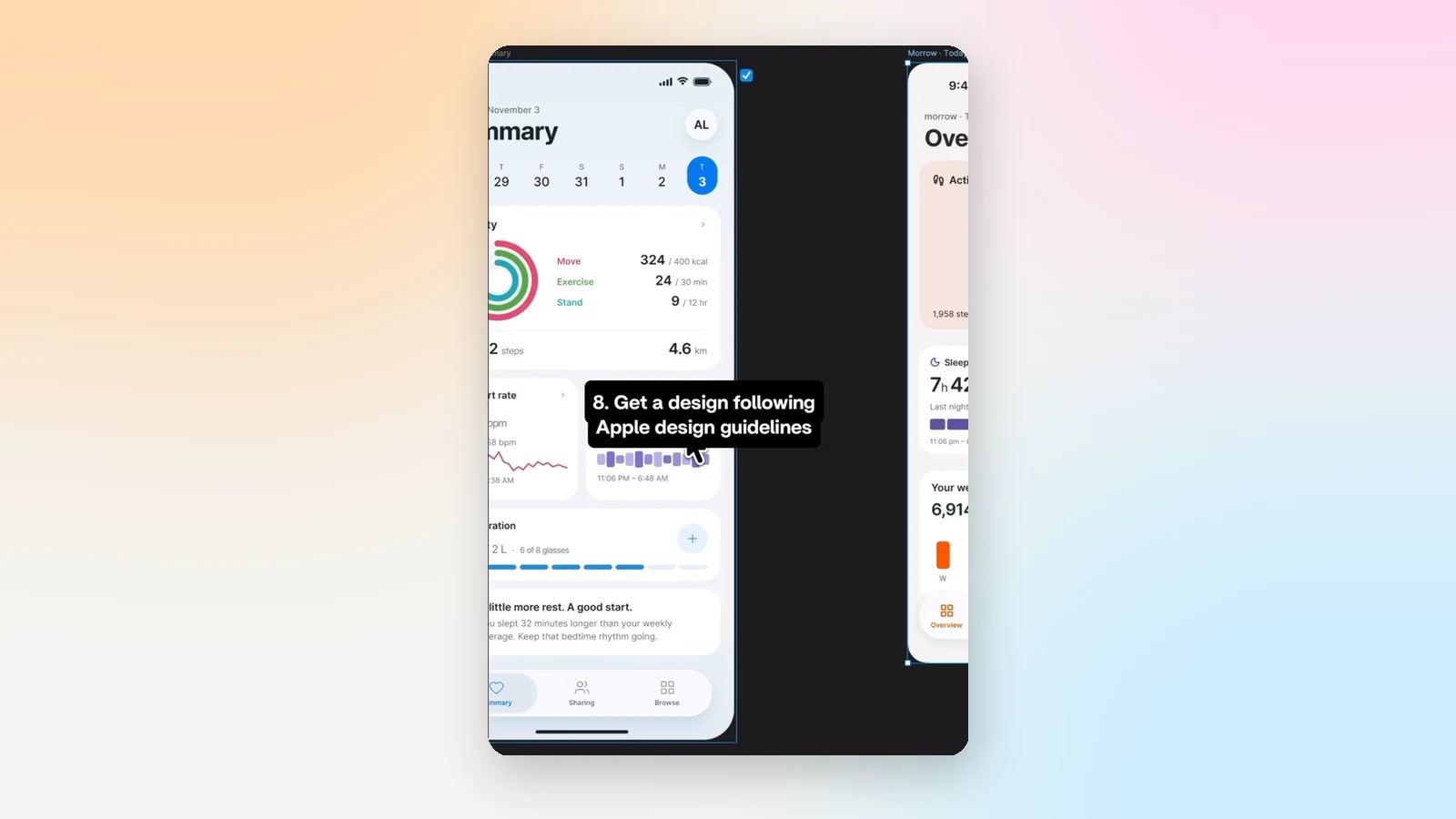
{{video:https://cdn.jsdelivr.net/gh/cosmos-studio/cosmos-digest-media@main/issues/05/digest05-figma-agent.mp4}}
A new Figma Workflow lab shows a designer using code layers and the Figma agent to explore a new feature: working prototypes sit side by side on the canvas, where the team compares them, picks a direction and refines it. Figma describes reusable agent skills as a way to capture a team's expertise. A tutorial shared on Telegram shows the idea in practice: the author adds an apple-design skill to the Figma agent and gets a screen that follows Apple's design guidelines.
Why it matters: prototypes that run on the canvas make design reviews about behavior, not static frames. How should a design team start with agent skills? Write down the rules your senior designers check in every review, turn them into one skill, and test it on a real screen before you share it. In product UX/UI design we keep those rules in the design system so people and agents use the same source.
Source: Figma: Workflow lab, code layers and the Figma agent (skills described on Figma's event page; tutorial from berestux on Telegram)
5. OpenAI's agents found 948 working Linux kernel exploits for $1.2M in API credits
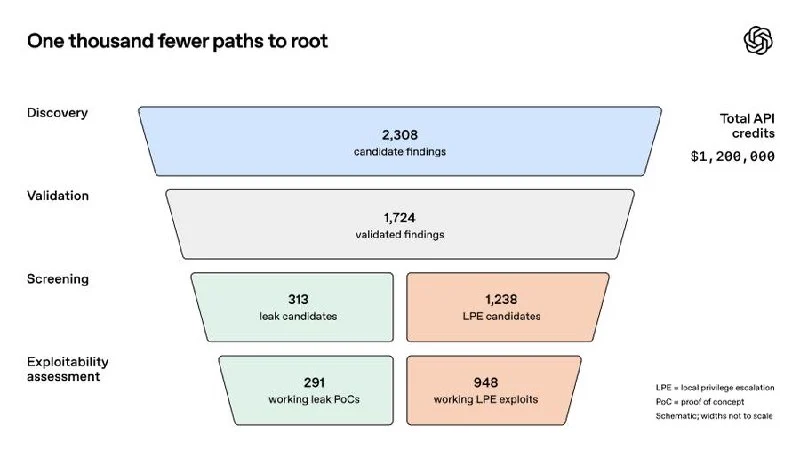
OpenAI published "One thousand fewer paths to root", a report on agents that scanned the Linux kernel for vulnerabilities. Its chart shows the funnel: 2,308 candidate findings, 1,724 validated, then 1,238 local privilege escalation candidates and 313 leak candidates. In the end the agents produced 948 working privilege escalation exploits and 291 working leak proofs of concept, and the run cost $1.2 million in API credits. Telegram channels report that the model behind it is called GPT-6 Cyber and goes to a limited group of customers first; we could not confirm this in OpenAI's own materials.
Why it matters: when agents find bugs by the thousand, the bottleneck moves to the people who triage and fix them. What should a security tool show when AI finds vulnerabilities at scale? Group findings by what can be exploited now, show the proof next to each one, and track fixes, not only counts. That is the daily work in cybersecurity UI/UX design.
Source: OpenAI: One thousand fewer paths to root (figures from OpenAI's chart shared by oooneuro on Telegram)
6. Neros gets a conditional US loan commitment of up to $450M to build drones at home
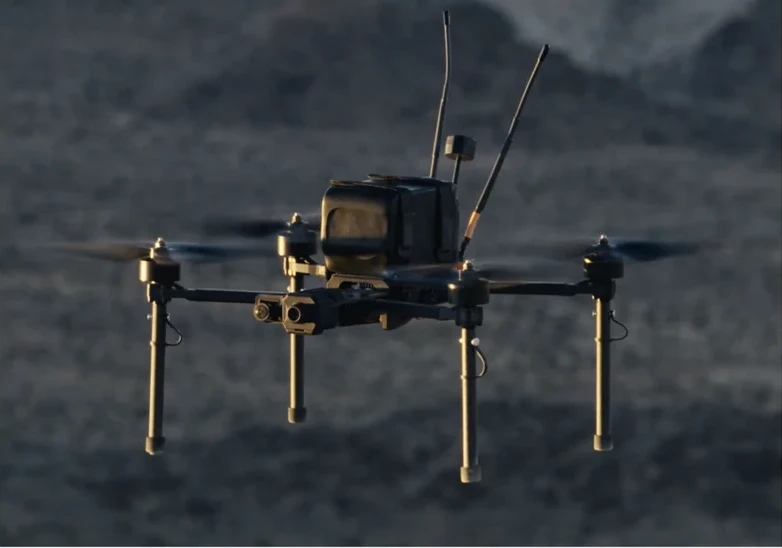
The US Department of War's Office of Strategic Capital signed a conditional loan commitment of up to $450 million with Neros, published on November 2. The money is for domestic manufacturing at Neros' facility in Torrance, California: small drones, ground control systems and components such as motors, radios, flight electronics, sensors and batteries, for Neros and for other US and allied drone makers. The loan is not final yet: Neros still has to complete financial, legal and technical due diligence before closing.
Why it matters: at this volume, operators use the drone and its ground control software with little training time. How do you design a ground control station for a mass-produced drone? Keep the mission plan, telemetry and alerts on one screen and make the first flight possible without a manual. That is what we design in drone ground control UI.
Source: Resilience Media: Neros and the $450M loan (terms confirmed via sUAS News, OSC release); image from Resilience Media
7. Origin and Anduril show their joint counter-drone system in Latvia
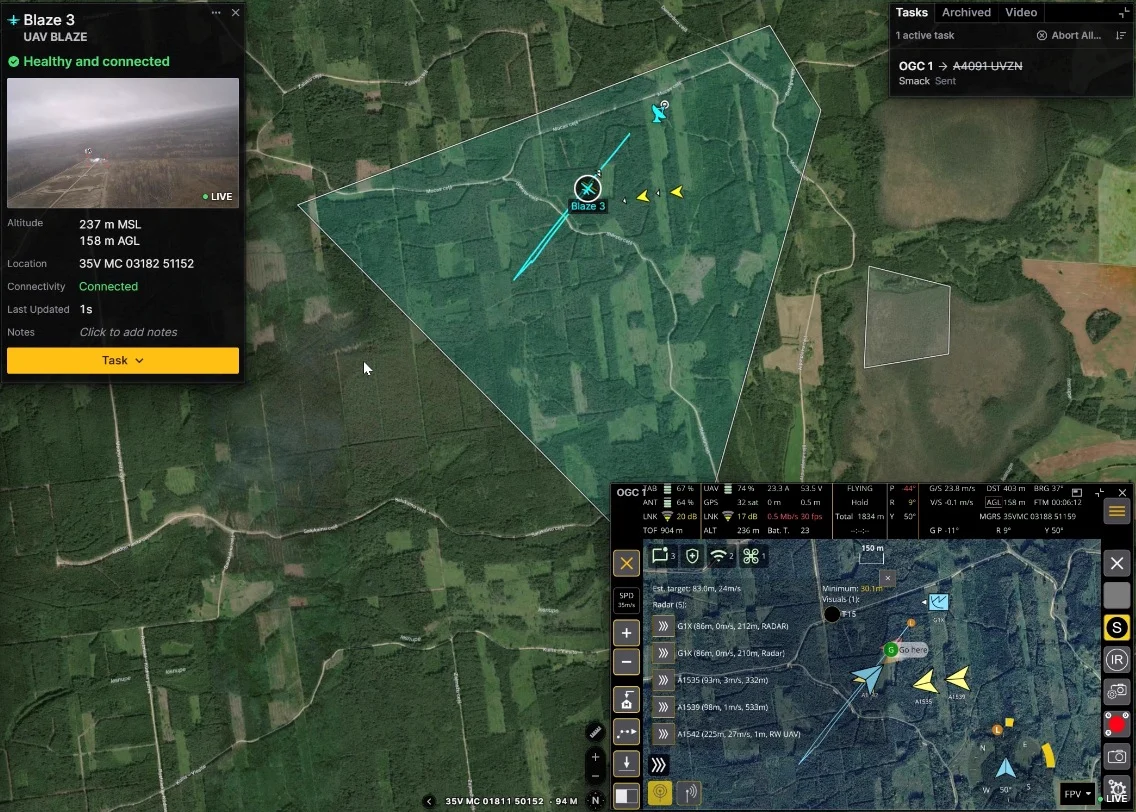
About six weeks after signing a memorandum of understanding, Latvian robotics company Origin and Anduril demonstrated their combined counter-drone capability to senior Latvian military leadership, Resilience Media reports. The demo took place at the end of October at a military training facility in Latvia, with Blaze connected to Lattice alongside a radar system already used for Latvian air defence. The companies say the combined system is technically ready to be fielded, with further trials planned. Under the September 24 agreement, the companies set out to integrate Origin's BLAZE interceptor with Anduril's Lattice command-and-control software, with the Latvian Armed Forces as an interested stakeholder.
Why it matters: a startup's interceptor becomes part of a larger system when it plugs into someone else's command software. What should a C2 interface show when it controls third-party devices? The status of each device, who is in control right now and what happens when a link drops. These are the questions we work through in C2 interface design.
Source: Resilience Media: Origin and Anduril test in Latvia (agreement details from Resilience Media, September 25); image from Resilience Media
Also this week
- Anthropic's Message threads beta in the Claude API lets an agent send the full conversation once, then only new messages and the ID of the last reply; prices stay the same and threads expire 5 minutes after the last request. The Next Web
- Logistics drone maker Dronamics plans a $500M Nasdaq listing to expand production in Europe. Resilience Media
- Figma built Nimbus, a platform that runs the tens of thousands of sandboxes its AI products need to execute untrusted code. Figma blog
At Cosmos Studio we design AI products and SaaS interfaces, from chat and agent flows to operator consoles. See our work, and if you are adding an agent to your product, let's talk.
{{contact}}
FAQ
What is AI & Design Weekly?
A twice-weekly digest by Illia Kulbachnyi and the Cosmos Studio team with the AI and design news that matter to teams building SaaS and AI products.
How do you pick the stories?
We read 30+ design, AI and defense-tech sources and check every claim against the original source. When only a secondary source or a Telegram channel confirms a detail, we say so under the story.
How do you design an AI agent's tasks inside a chat interface?
Give each task its own block in the thread with steps, a status and a stop button, say which apps and files it will use before it starts, and show the cost or limit impact up front. We design these flows in AI agent UX projects; book a call to discuss yours.
Sources




Related articles
Start your project with Cosmos™
Drop us a message, Anna reviews every brief personally and gets back to you within one business day. From there it's simple: we align on scope, sign the contract, and book your start date. Fast, clear, no back-and-forth.