


How to choose a UI/UX design agency: 12 questions to ask on the first call, what good answers sound like, the red flags and a scorecard to compare studios.
Key takeaways:
- Choose an agency by how it works: who does the work, how it learns about users, what you own and what happens after launch. A portfolio only shows part of that.
- Ask 3–5 studios the same 12 questions, in the same order, and score the answers in one table.
- Red flags include seniors who pitch and then disappear, no research before wireframes, vague ownership and a price with no breakdown.
- Start with a short paid discovery or a UX audit before you sign a large contract.
To choose a UI/UX design agency, compare how each one works as well as how its portfolio looks: who will do the work, how they learn about your users, what you own at the end and what happens after launch. The 12 questions below fit into one call. A good agency answers them with examples and names.
I'm Illia Kulbachnyi, CEO of Cosmos Studio. Under each question I describe what to listen for and how we answer it ourselves, so you have something to compare with. Ask other studios the same questions, in the same order.
Visuals are the usual trap. Hiring for visuals instead of usability is the first mistake on Dribbble's list of what goes wrong when companies hire an agency. We have 60+ design awards, and they show craft. They can't tell you whether a product will hit your metric, so the questions below go further.
Do you need an agency at all?
Start here, because the answer may save you the search.
| Choose | When |
|---|---|
| A freelancer | One clear task, and someone on your side can manage it |
| An in-house designer | Design is weekly work for the next year or more, and you can wait months for the hire |
| An agency or studio | You need research, UI, a design system and code on one schedule, with a deadline |
Agencies also vary by size and focus. If you build for defense, read our separate guide on choosing a defense tech UI/UX agency, because clearances and export rules change the list of questions.
Five steps to choose an agency
Most of the work is comparing answers on equal terms. Send every studio the same short brief with your goal, users, metric, budget range and deadline.
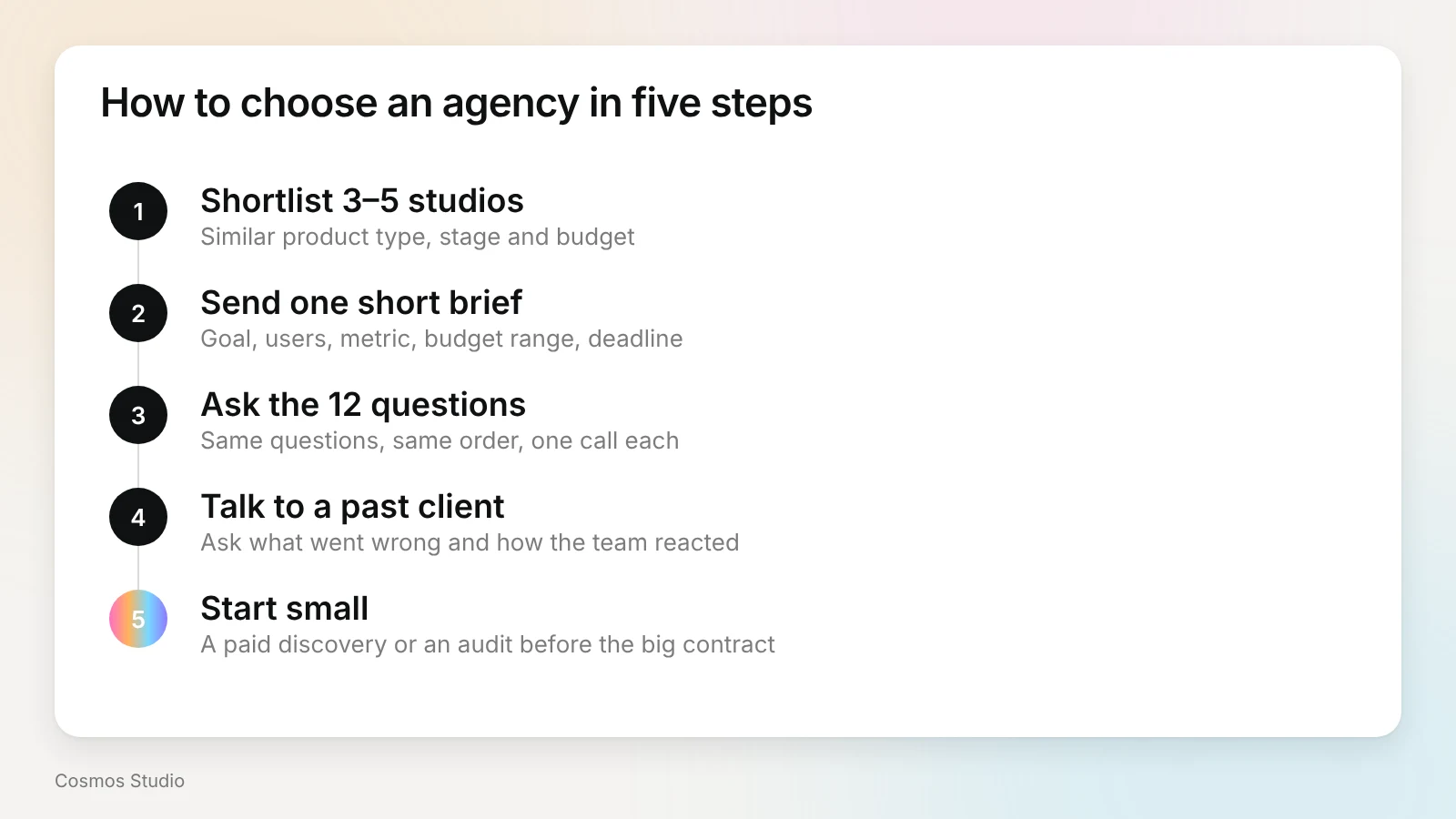
Questions about the people and their experience
1. Who exactly will work on my project, and who will I talk to?
Ask for names and seniority. "Junior staff pitch the work with no senior involvement" is one of the red flags Raw.Studio lists in its buyer's checklist. Our team is mid-level and senior, you get one point of contact, and you know from the start who joins your calls.
2. Can you show a project like mine and tell me what changed after launch?
A good case opens with a business problem and explains the decisions. Some numbers stay under NDA, so ask what the agency can tell you and what the client would confirm. Then ask to talk to that client, and ask what went wrong and how the team reacted.
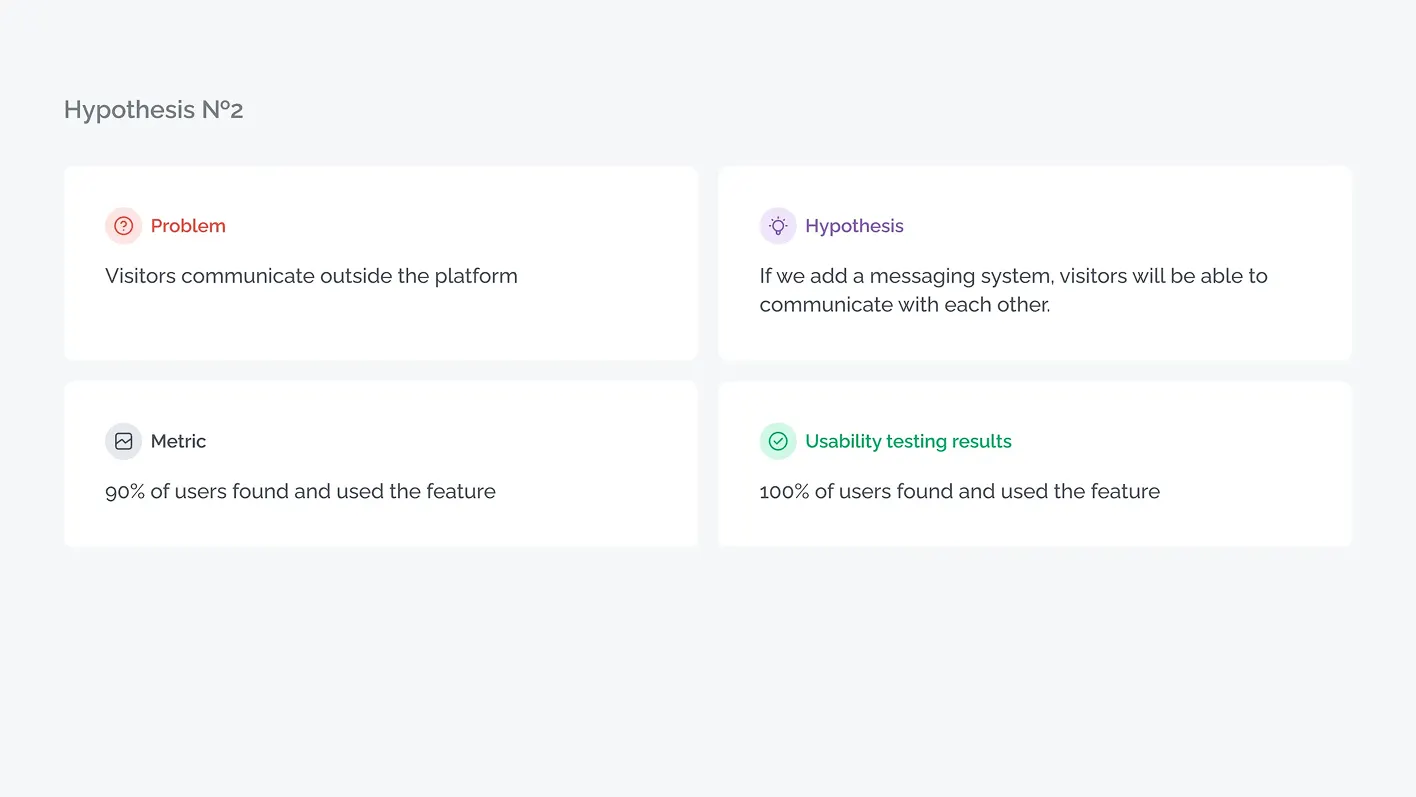
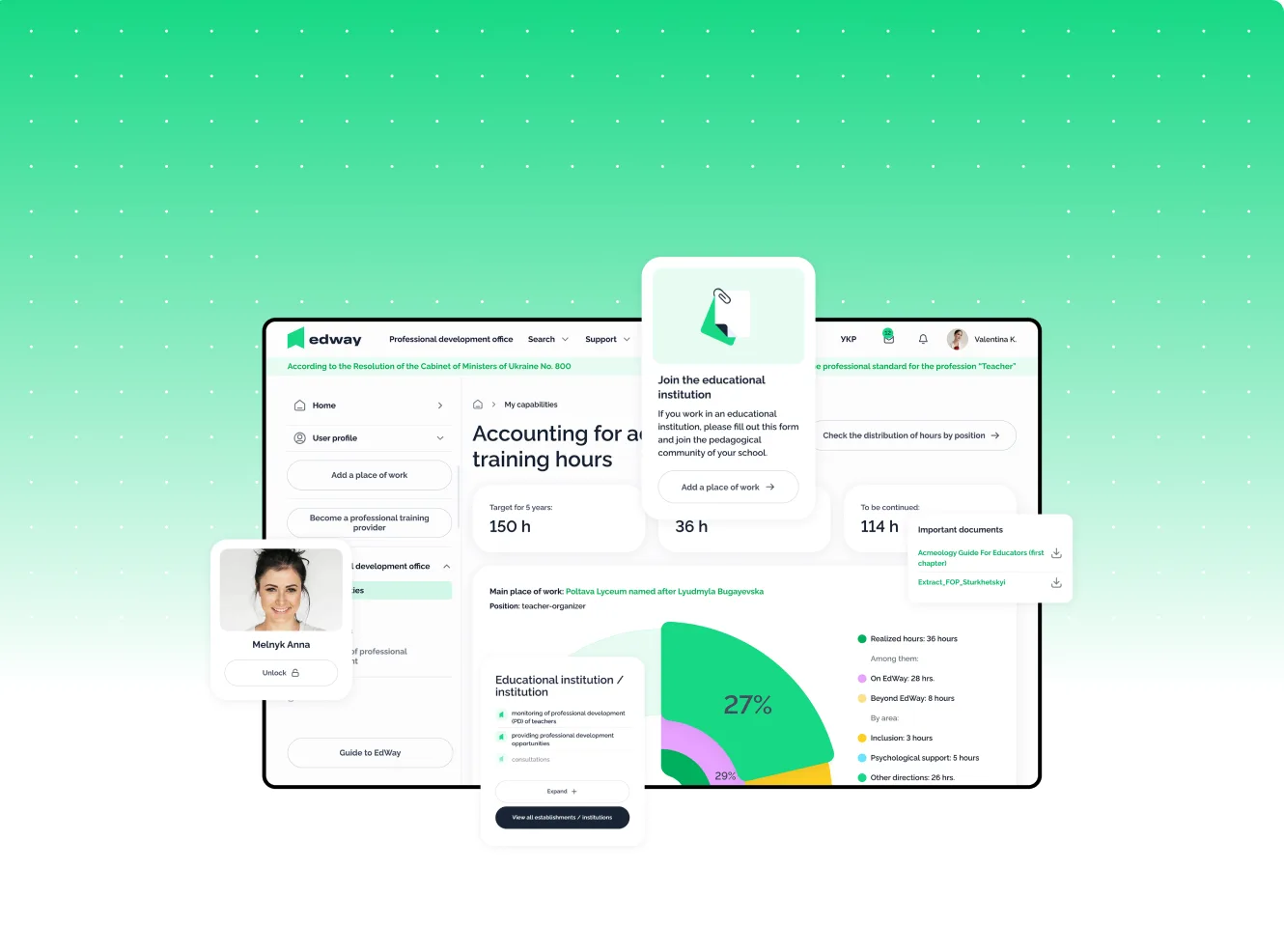
For example, on EdWay, a national EdTech platform, too many steps for key actions created a high load on the support team. We formed product hypotheses from interviews and user testing, and tested them with interactive prototypes. Seven of eight were confirmed and implemented.
{{case}}
3. Have you worked with constraints like mine?
Regulation, security and data volume shape a product early. Raw.Studio flags a one-size-fits-all process that ignores your industry's constraints. A good answer names the constraint or says plainly what the team would need to learn. We sign an NDA from the first call. For products sold in the EU, we also do WCAG redesigns for the European Accessibility Act.
Questions about the process
4. How will you learn about my users before you design?
"An agency that jumps straight to wireframes is guessing," as Raw.Studio puts it. Listen for interviews, analytics and support data, and for a reason when the agency says you can skip them. We run customer interviews based on The Mom Test or give you the questions, unless you already know your customers well.
5. What do you need from us, and how often?
Waiting for access is a common delay. Clients often don't know what they will get at the end, and work stalls until the team gets analytics or CRM access. Ask for a list up front: access, test accounts, who approves what and how fast.
6. How will we test the design before development?
Fixing a flow in a prototype costs less than fixing it in code. Ask what the agency tests, with whom and against which number. Key flows at Cosmos become an interactive prototype first, and we add usability tests with real users when the product needs them.
7. How do you use AI, and who checks the result?
Clients often come to us with vibe-coded products that have bugs and security holes, so this question now belongs on the list. Ask where AI is used and which senior person signs off. At Cosmos, AI handles routine code and speeds up audits. Senior specialists control the architecture, then recheck and test the work by hand, which is also how we run vibe code rescue projects.
Questions about the build and ownership
8. Who builds it, and how does design reach the developers?
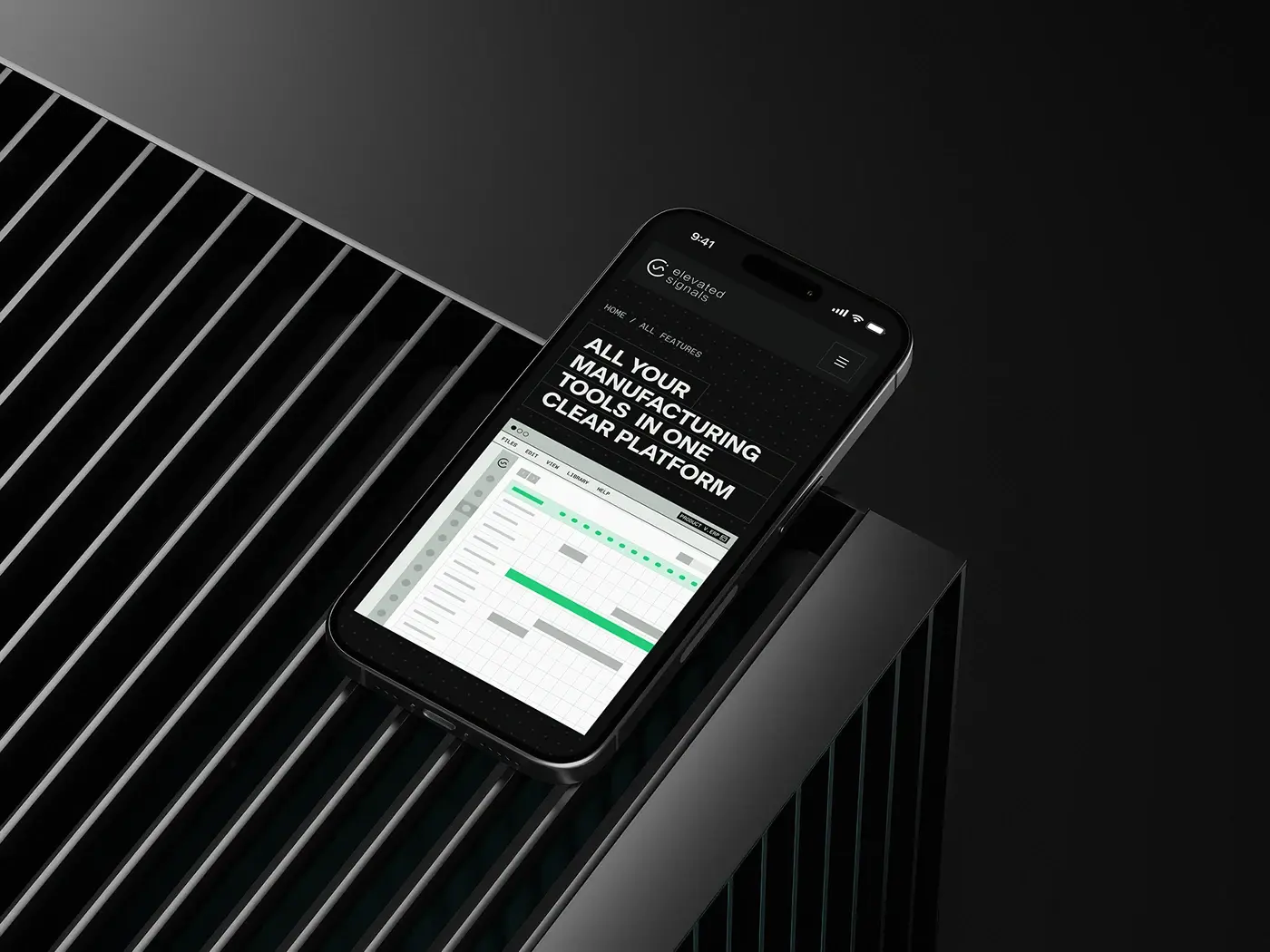
Poor developer handoff is another mistake on Dribbble's list. Ask whether designers and developers review the work together, and who is responsible for architecture. We build front ends in-house. Backend, mobile and cloud work goes to vetted senior partners under the same contract. On Elevated Signals, we designed the product and built the marketing site on Webflow, so their team can publish pages without us.
9. What do we own at the end?
Get it in the contract: design source files, the design system, code, accounts and hosting. On SerenX, we handed the repository and hosting over to the client. If an agency is vague here, you may pay again the day you change vendors.
Questions about money and time
10. What is included, and what changes the price?
Ask what is out of scope and what triggers extra charges. A number with no breakdown can't be compared with anything. As a benchmark, Dribbble puts a startup MVP at $5,000–20,000 at an agency. Our projects start from $5,000, hourly rates from $50, and you get a free, non-binding estimate after a discovery call. See our pricing page for what changes the number.
11. How long will it take, and what will I see in the first week?
Ask for a dated plan and what you will see first. A typical project with us takes 4–8 weeks, with first results within a week of kickoff, and larger products go in stages. Deadlines matter more than they look, because other work waits for design.
Illia's take: One of our clients ordered branding from a freelancer, and it dragged on for half a year. We could have done that brand identity in a few weeks. He kept waiting for the final logo, and that blocked the pitch decks, the investor talks and the work on the website. When one team does the work, we have a schedule and our people are in-house, so we know what we do each day and can give clear deadlines.
Questions about what comes after launch
12. What happens after launch, and how will we know it worked?
Agree on a metric before design starts: sign-ups, trial-to-paid, leads, fewer support requests. Then ask who looks at it after launch. Treating design as a one-time project is another mistake on Dribbble's list, because products keep changing. We have worked with Ply since 2023, and ongoing design and front-end support with us starts at $50 an hour.
Scorecard for your agency calls
Copy this table and fill it in after each call. Raw.Studio's rule of thumb: two or more red flags together suggest that the agency is optimizing for winning the deal.
| Question | Good sign | Red flag |
|---|---|---|
| 1. Who will work on it? | Names, seniority, who joins calls | Seniors pitch, then disappear |
| 2. A project like mine? | Problem, decisions, what changed | Only screenshots |
| 3. My constraints? | Knows them, or says what it will learn | One process for every industry |
| 4. How do you learn about users? | Interviews, data, or a reason to skip them | Straight to wireframes |
| 5. What do you need from us? | A clear list of access and decisions | "We'll figure it out" |
| 6. How do we test before code? | Prototype and a way to measure it | First test is the launch |
| 7. How do you use AI? | Says where, and who checks the result | Won't say, or can't name a reviewer |
| 8. Who builds it? | Named developers, joint reviews | "We hand over Figma and we're done" |
| 9. What do we own? | Source files and code in the contract | Vague on ownership |
| 10. What changes the price? | Scope, exclusions, what triggers extras | One number, no breakdown |
| 11. What do we see in week one? | A dated plan and early results | Only a final deadline |
| 12. What happens after launch? | A metric and a support option | The contract ends at handoff |
Start small before you sign a big contract
The best test of an agency is a short piece of paid work. Raw.Studio suggests a paid discovery of 1–3 weeks to see how a team works. For an existing product, a UX audit does the same job: it takes us 1–2 weeks, starts from $2,000, and you keep the report whether or not you continue with us. Our guide to UX audit cost shows what a good report includes.
Want to try these questions on us? Book a call and ask all 12.
{{contact}}
FAQ
How do I choose a UI/UX design agency?
Shortlist 3–5 studios that work with similar products, send them one short brief and ask each the same questions: who does the work, how they learn about users, what you own, what changes the price and what happens after launch. Talk to a past client, then start with a small paid piece of work.
What are the red flags when hiring a design agency?
Common red flags: juniors do the work after seniors pitch, no research before wireframes, screenshots with no explanation of results, vague answers on ownership and a price with no breakdown. Two or more of them together are a reason to keep looking.
Should I hire an agency or a freelancer?
A freelancer fits one clear task when someone on your side can manage the work. An agency fits when you need research, UI, a design system and code on one schedule. If design will be weekly work for a year or more, compare both with an in-house hire.
How many design agencies should I talk to?
Three to five is enough for most startups. With fewer you have little to compare, and with more the calls take time from your product. Use the same brief and the same questions, so the answers can be compared.
How much does a UI/UX design agency cost?
Dribbble's 2026 guide puts a startup MVP at $5,000–20,000 at an agency, and Clutch reports that most UX/UI projects it reviews cost $10,000–49,999. At Cosmos Studio, fixed-scope projects start from $5,000 and hourly rates from $50. A UX audit starts from $2,000.
Sources


Related articles
Start your project with Cosmos™
Drop us a message, Anna reviews every brief personally and gets back to you within one business day. From there it's simple: we align on scope, sign the contract, and book your start date. Fast, clear, no back-and-forth.