


Best AI product design agencies in 2026: 9 studios compared on AI cases, code and prices, plus what went wrong when founders vibe-coded their products alone.
Key takeaways:
- The best AI product design agency depends on the job: Lazarev for named AI cases, Eleken for design delivered as code, Habitat for fast deployed prototypes, Cosmos Studio for product, front end and a senior check of AI-built code.
- The agency pages I read rarely cover evals, usage limits or agent states, so ask about them on the first call.
- A typical budget to design and build an AI product with us is $10,000–20,000; other agencies publish entry prices from about $4,600 a month to $6,000 a project.
- Moltbook, EnrichLead and other vibe-coding stories failed on things a demo doesn't show: database rules, server-side checks and architecture.
The best AI product design agency depends on what you need shipped. Of the agencies I checked, Lazarev shows the longest list of named AI cases, Eleken delivers design as code in your repository, Habitat builds deployed prototypes for seed-stage founders, and Cosmos Studio covers product design, front-end code and a senior check of AI-built products.
I'm Illia Kulbachnyi, CEO of Cosmos Studio, so read this list knowing that one of the nine agencies is mine. The table is alphabetical. I took facts about the others from their own sites on 4–5 November 2026 and used no directory ratings or third-party prices.
The second half of this article covers what happens when founders skip senior people altogether. Those stories show why it pays to choose an agency by how it treats the whole product, and each one links to the source so you can read it in the author's words.
AI product design agencies compared (checked November 2026)
| Agency | AI work on its own site | Code | Published price | Best for (our view) |
|---|---|---|---|---|
| Arounda | Altflow: AI tool for SEO articles, five months of research, prototype and design system. MOJO-CX: MVP design for a voice analysis tool | Not stated | "On average, an AI product design project starts from $6K", 3-day free trial | A smaller first budget and a dedicated designer |
| Cosmos Studio | Loamly: AI-native CRM. SoloChat: AI assistant for macOS | React and Next.js front end in-house, backend with senior partners | From $5,000, rates from $50 an hour | Product design, front-end code and a senior check of AI-built code from one team |
| Eleken | Frontend AI: full platform redesign | AI builds with your components through Storybook, then Eleken opens a pull request in your repository | $6,599 a month full-time designer, $4,599 part-time, 2-month minimum | SaaS teams with a component library who want design delivered as code |
| Excited | Artificial Societies: social simulation platform, with Awwwards and CSS Design Awards recognition in 2025. AwareNow: civic engagement platform | Webflow production listed | Not published | AI startups that also need a Webflow site |
| Habitat | Bagel AI: site and brand in 1.5 months ahead of a $5.5M seed round (client-reported). Agentic and conversational UI "where relevant" | Deployed prototype from Figma to Claude Code or Storybook | Blueprint $4,900 per its own blog, in 10 business days | Seed-stage founders who need a deployed prototype before a round |
| Halo Lab | Vixiv: AI engineering platform, four months, with a 3D workspace | React, TypeScript and Three.js product build on Vixiv | Not published. AI websites take 6–12 weeks | AI company websites and products with heavy 3D front ends |
| Lazarev | Pika AI: search UI, AI chat under the search bar, widget results. Also Accern, VTnews.ai, Suits.ai, Elva | Web development listed as a separate service | Not published | The longest list of named AI cases and a launch or growth focus |
| Solar Digital | Holo AI: branding, UX strategy and a dashboard, with the AI assistant as a supporting layer | Not stated | Not published | Early startups that need brand and first dashboard together |
| The Gradient | Lumiere: video intelligence platform for Hollywood studios, with UX, a design system and conversational design | Not stated | Not published | Conversational and data-heavy AI UX |
I checked each agency on its own site on 4–5 November 2026. Prices and services change, so confirm them with the agency. If something here is out of date, write to us and we will update the table.
Prices come in different shapes. A monthly designer at Eleken and a fixed project with us can't be compared by the headline number, so ask each agency for a total for your scope.
Where other agencies are stronger than Cosmos Studio
Lazarev names more AI products than we do, and reports outcomes such as 85k users in the first month for VTnews.ai. We have two named AI products, Loamly and SoloChat, plus AI brands and websites. If breadth of AI cases decides it for you, start there.
Eleken's workflow is more explicit about code. It connects AI to your existing components and opens a pull request, which suits a team that already has a design system. Habitat promises a Blueprint in 10 business days. Halo Lab's Vixiv team included a dedicated 3D developer alongside two front-end developers, which suits heavy 3D work.
We don't build or train models, and our backend work goes to senior partners. If you want one vendor for models and data, look at a development company instead.
What most agency pages skip: evals, limits and agent states
Trust and clear UX appear on almost every page I read. Three harder topics barely appear, so ask about them yourself:
- Evals, meaning tests of how good the model's output is. I didn't find an agency's approach on the pages I read. The Gradient mentions system evaluations in an article on agent failure, and Halo Lab's "evaluation" refers to pages on a client's website.
- Usage limits and cost, meaning how the interface shows tokens, credits and quotas. I didn't find this on the pages I read either.
- Agent states, meaning what the user sees while an agent works, waits for approval or fails. Lazarev mentions centralized agent management on Suits.ai, and our AI agent UX page lists approvals, task progress, logs and error recovery.
A page that skips a topic doesn't prove the agency can't do it. Our own site has no published case on evals either, which is why this belongs in your first call.
How is AI product design different from SaaS design?
The process is very similar. SaaS is a monetization model and a product is a product, so we run an AI product through the same product design process as any other: product logic, UX, UI, a design system and code. The same goes for our SaaS UX work. We use Figma, Claude and a mix of smaller tools.
What changes is the list of states to design, because the system can be slow, partly right or wrong. We design loading, partial-answer and error states, show sources and limits, and give people clear ways to edit, retry or undo. A general SaaS agency can do this if it has designed those states before, so ask to see them.
Two AI products we designed: Loamly and SoloChat
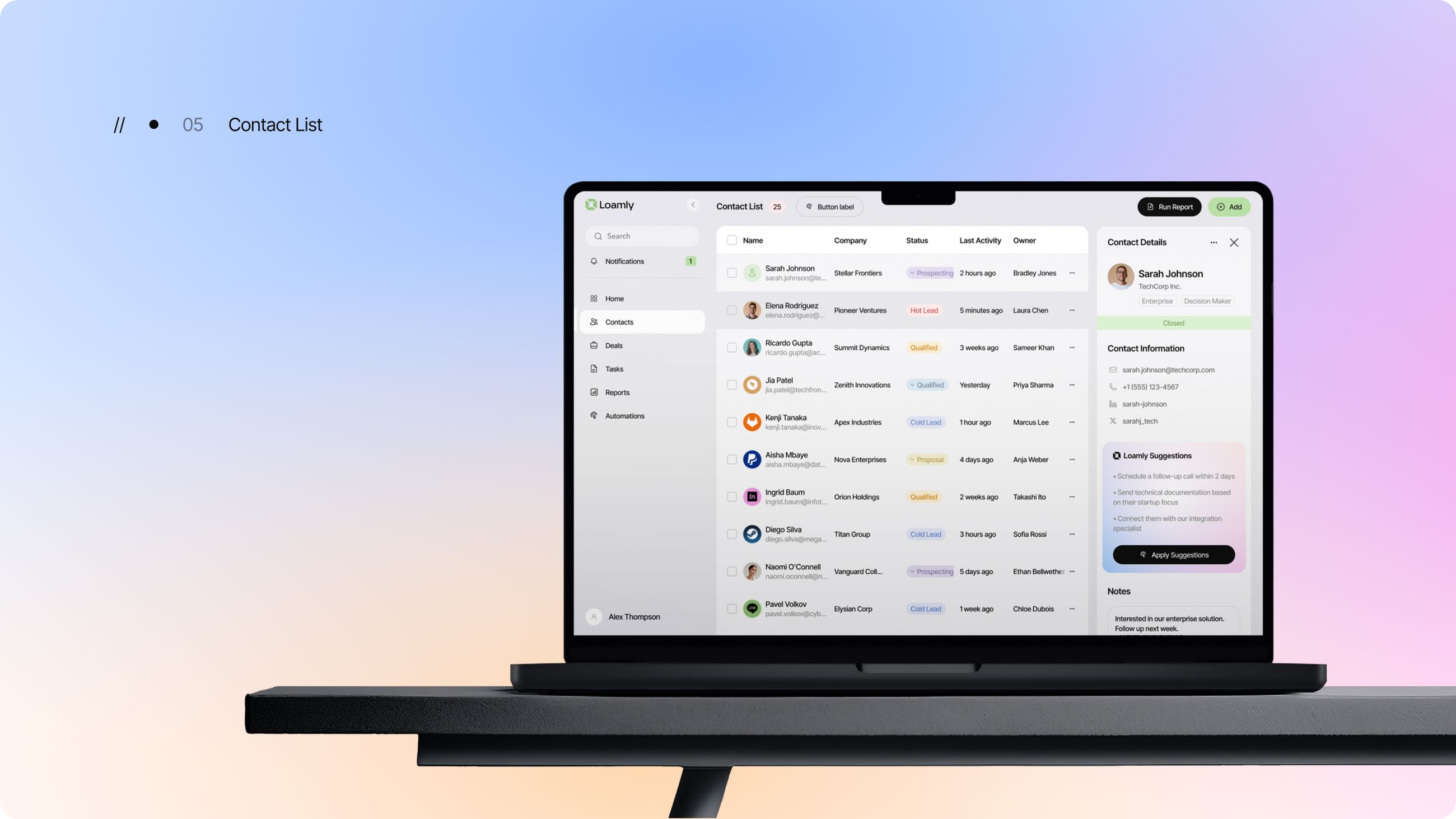
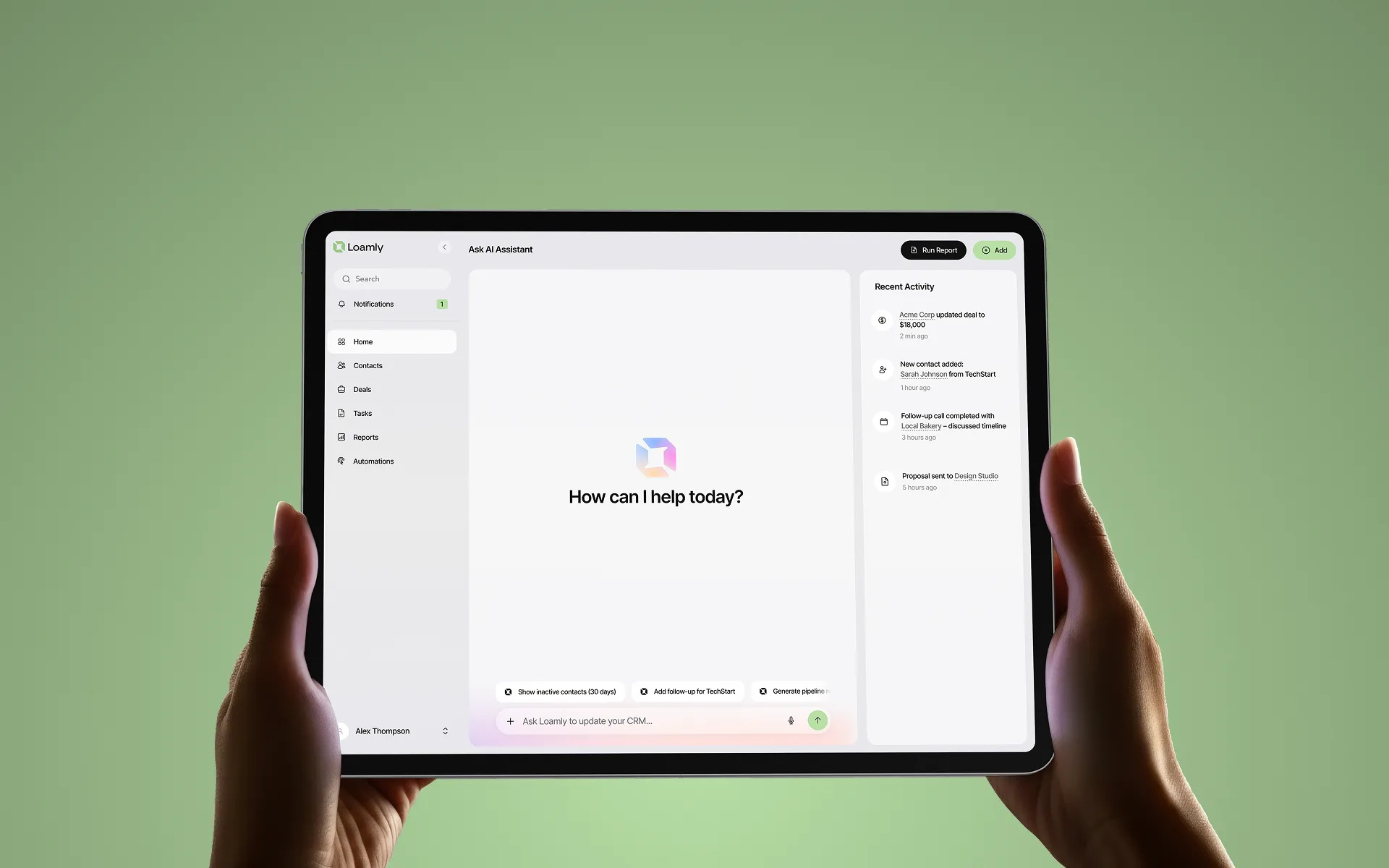
Loamly is an AI-native CRM for sales teams with complex funnels and a lot of customer data. Most CRMs leave you lost on the first login, with no idea what to do next. Loamly needed the opposite: simple, clear, step-by-step onboarding that doesn't scare anyone. Together with Obriy Design Büro we designed the brand, the product logic, UX and UI, on a design system with flexible components and simple flows.
{{case}}
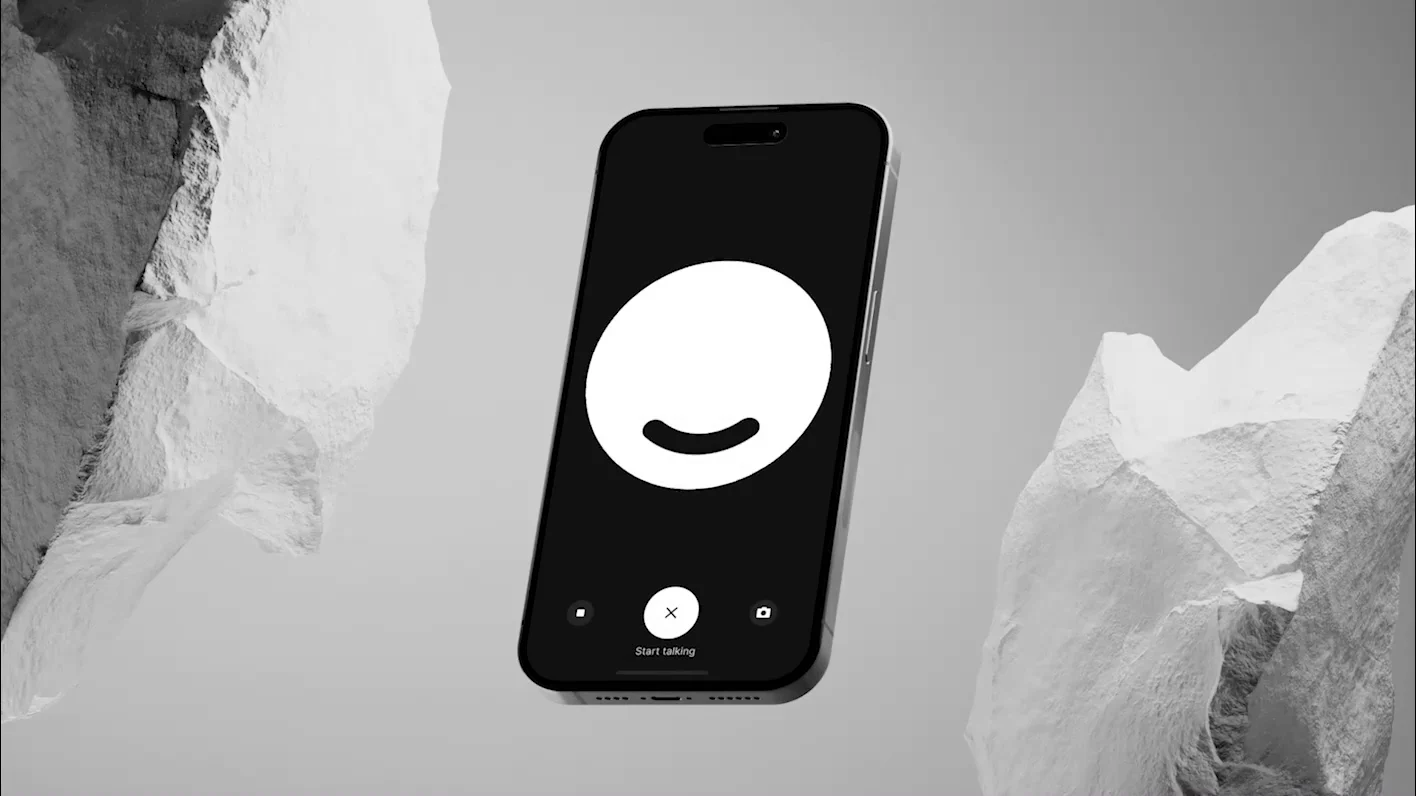
SoloChat started when AI chats were still young, and we built in every best practice that existed then, and a bit more. The goal was a comfortable desktop tool that combines different AI providers. Most AI chat apps on Mac were cluttered and heavy, so we made a compact interface with clear input cues, live source search inside the conversation, friendlier error handling and screen-reader support. We also designed a voice mode for search and to-do lists without a keyboard.

{{video:https://video.cosmos.studio/SoloChat_11.mp4}}
How much does an AI product design agency cost?
With us, a typical budget to design and build an AI product properly is $10,000–20,000. Projects start from $5,000 and rates from $50 an hour, and the number depends on AI features, user roles and screens. A typical product design project takes 4–8 weeks, and MVP design usually takes 3–4 weeks. Our pricing page shows what changes the estimate.
Of the others, Arounda, Eleken and Habitat publish a number and the rest don't (see the table). If you already have a product, a small audit is the cheapest way to test an agency. Our guide on UX audit cost explains what you should get. If you build for defense, we keep a separate list of defense tech design agencies.
The mistake I see most often: nobody thinks about architecture
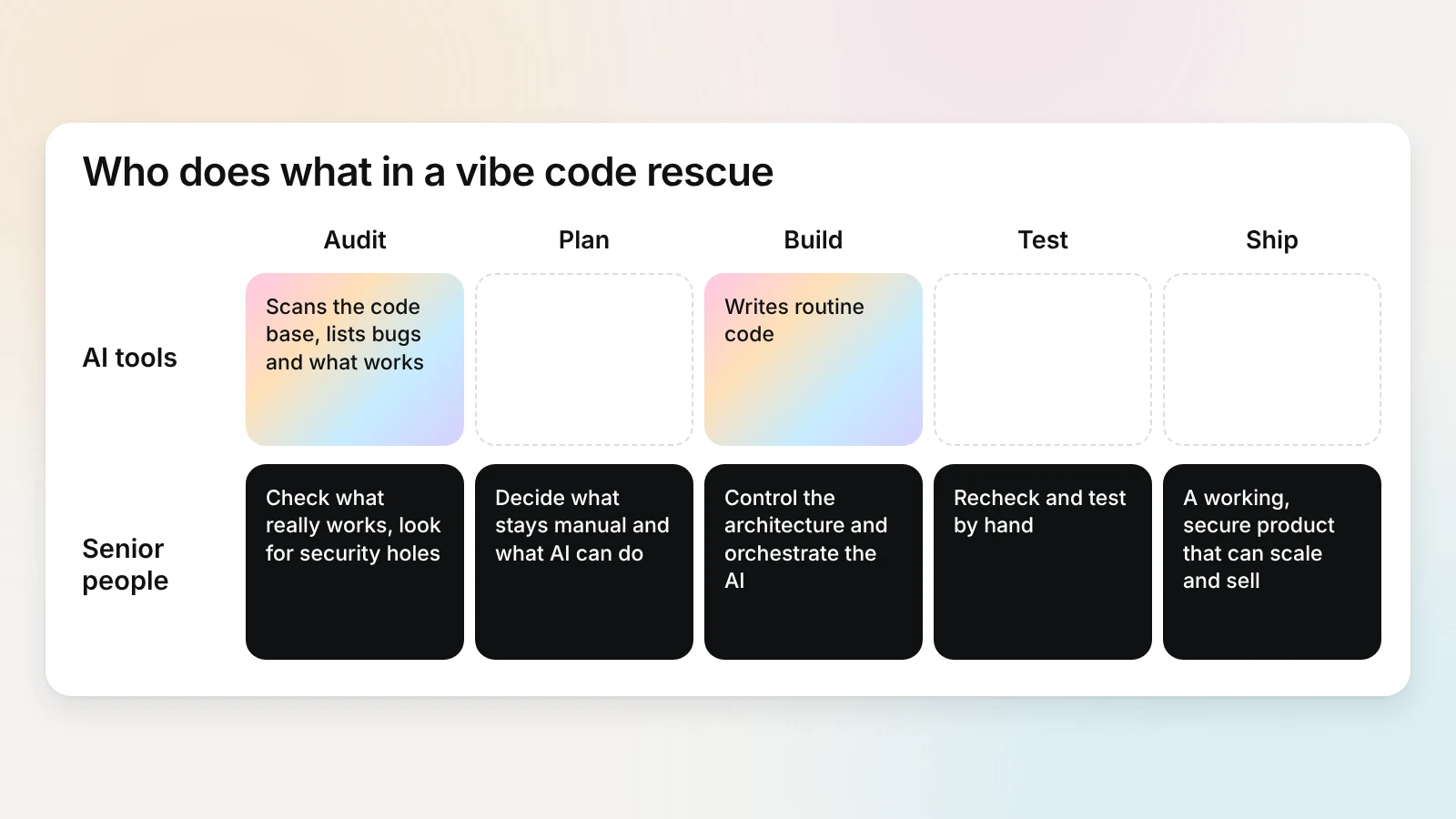
Clients rarely think about the architecture of the future product. We start with a coded prototype: real design and real front-end code that shows how the product works. Then experienced people join, architects and backend developers, who build the servers and data layer so the product works and can scale. An inexperienced founder who vibe-codes alone doesn't know this step exists.
Vibe coding means building software by prompting AI tools without reading the code. It gets you to a demo fast. Here is what happened next for people who wrote about it. Amounts and details are their own accounts, as reported by the source I link.
What happens when founders vibe-code alone: real stories
Moltbook: an exposed database, reported by Wiz
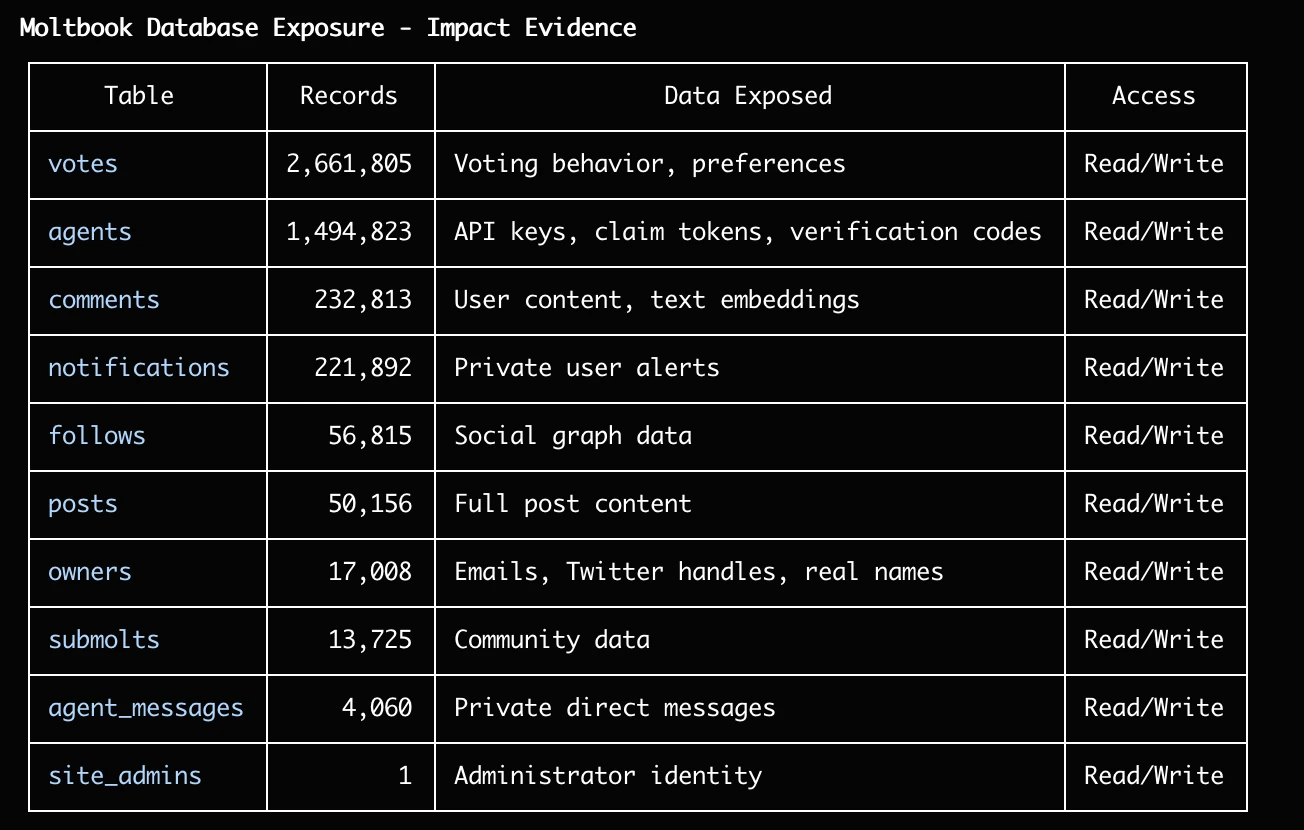
Moltbook is a social network for AI agents. Wiz, a cloud security company, looked at it and found a production Supabase key in the client-side JavaScript, with Row Level Security missing. That key gave full read and write access: about 1.5 million API tokens, 35,000 email addresses and 4,060 private conversations between agents, some holding third-party credentials. Wiz quotes the founder: "I didn't write a single line of code for @moltbook." The team fixed it within hours of the report, between 31 January and 1 February 2026.

Source: Wiz; images from Wiz
EnrichLead: "zero hand-written code", then a shutdown
The founder of EnrichLead, known publicly as Leo, reportedly said that Cursor wrote the whole platform, with "zero hand-written code". Days after launch, Kaspersky writes, the code turned out to be "full of newbie-level security flaws" that let anyone reach paid features or alter data. Indie Hackers lists API keys in the code base and a paywall you could bypass in browser dev tools. He couldn't bring the code to a safe standard with Cursor and shut the project down. Two months before, he had announced the launch on X:
i built enrichlead in 2 months, without knowing how to code...
– Leo (@leojr94_) January 11, 2025
Source: Kaspersky, Indie Hackers
Lovable: a disputed CVE about database rules
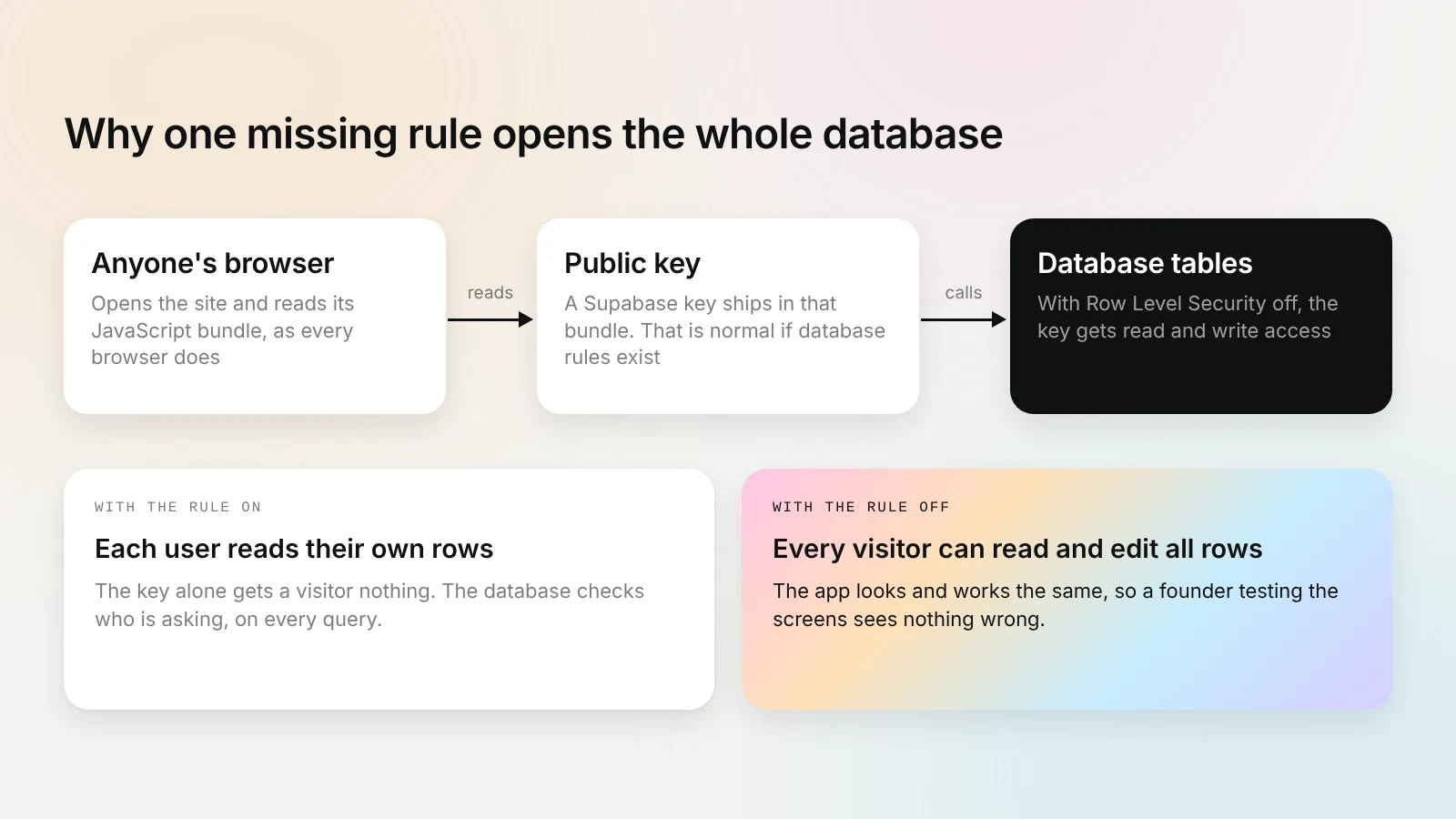
CVE-2025-48757 describes insufficient Row-Level Security in sites generated by Lovable through 15 April 2025, which let unauthenticated attackers read or write database tables. It carries a CVSS score of 9.3. Lovable disputes it and says each customer is responsible for protecting their application's data. For a founder that dispute settles little, because either way someone has to check the rules.
Source: NVD (details confirmed via vuln.today)
Meredith Hurston: a $20 lesson
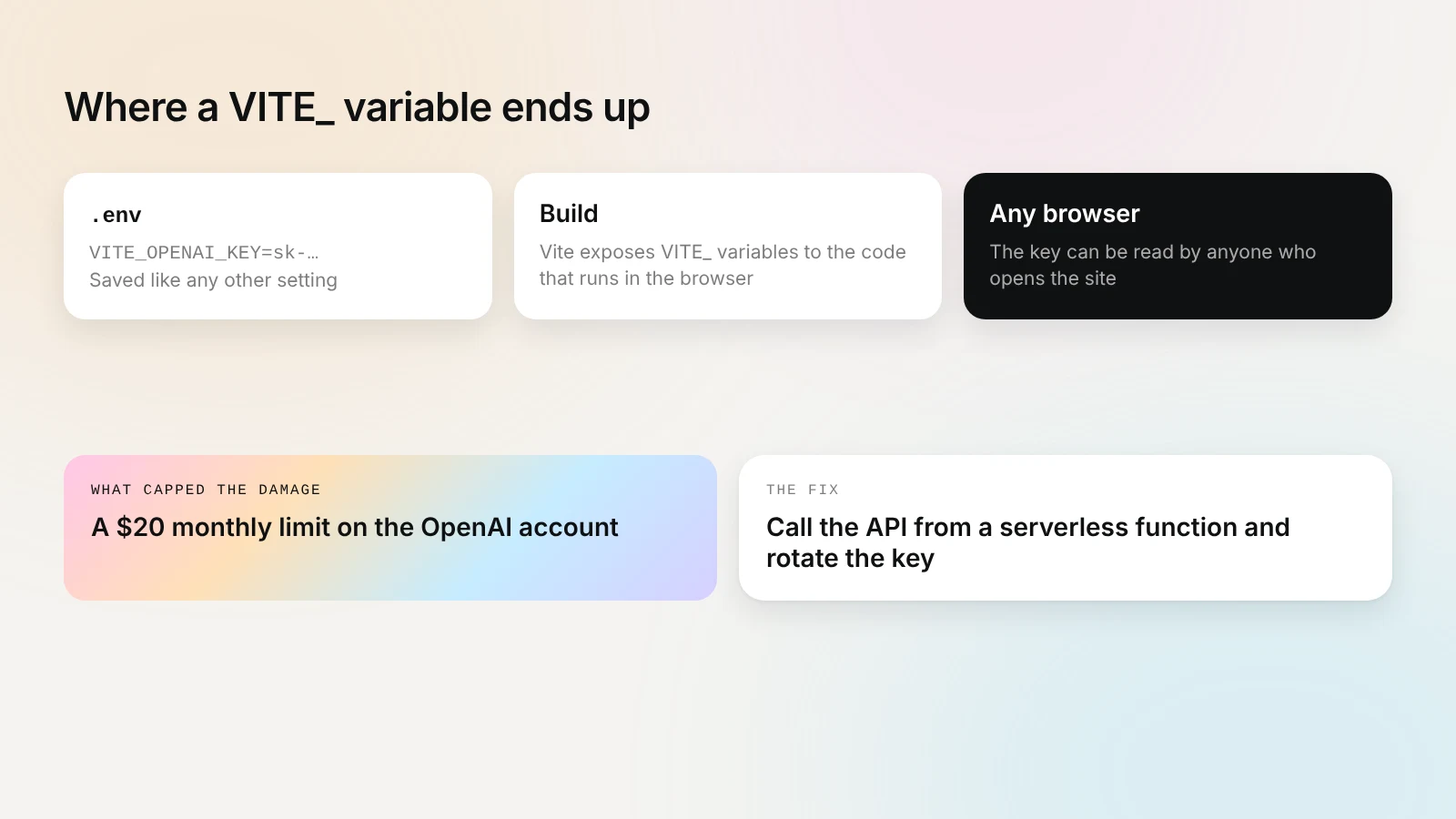
Hurston, a healthcare professional and doctoral student without formal engineering training, built Lab Test Insights in Lovable. Her OpenAI key sat in a VITE_ variable, and "Anything prefixed with VITE_ will be visible in the browser." Someone used it overnight. Her $20 monthly limit capped the damage, and a stranger had emailed her a warning months earlier. "This was a $20 lesson. I got off easy. Someone else might not."
Source: Meredith Hurston
Mona Kohlhaas: "I stopped building and started drowning"
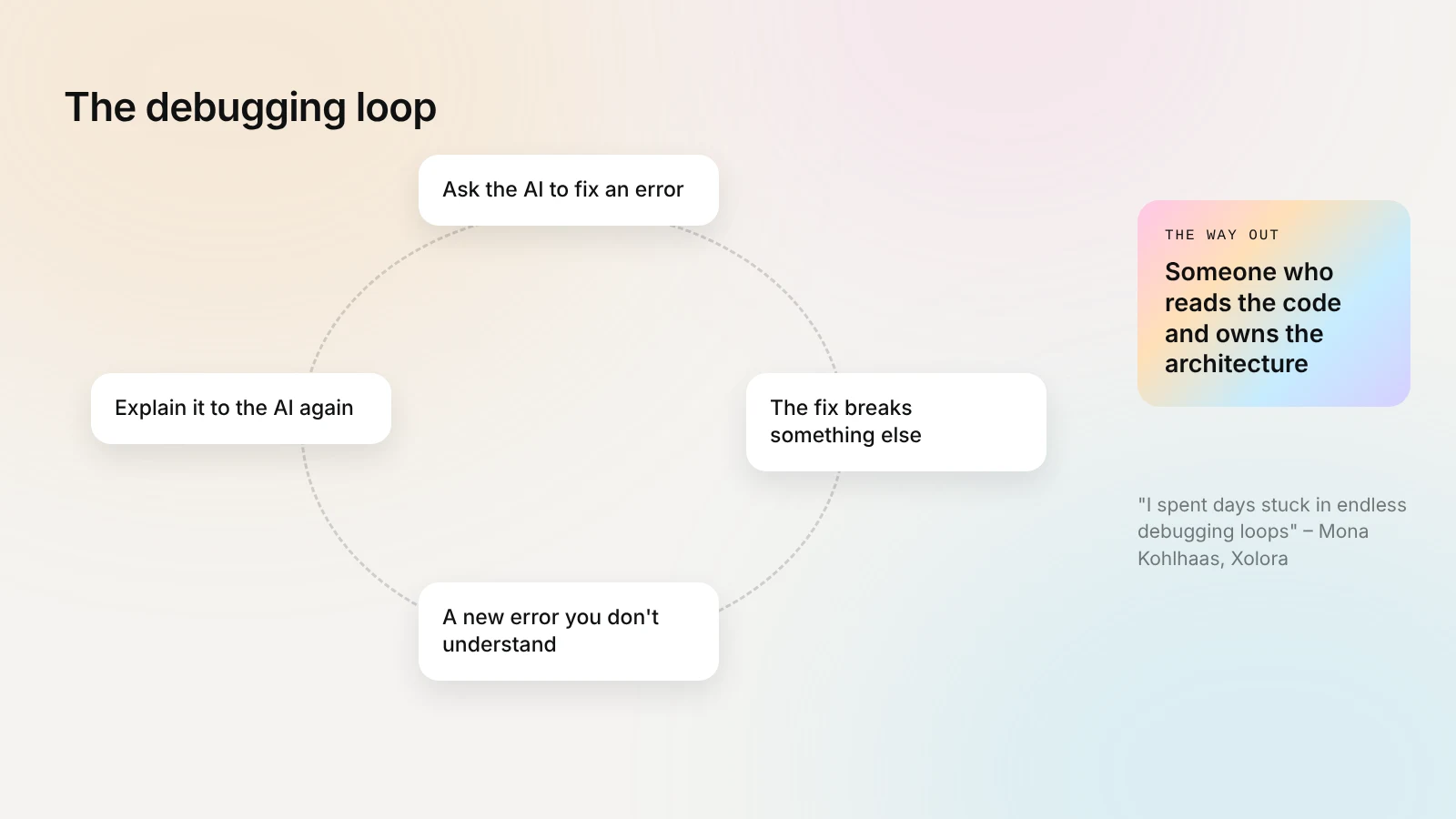
Kohlhaas built Xolora, a SaaS for solopreneurs, with Emergent. "As a non-technical founder, it sounded like a dream come true." Then: "The moment the architecture required deeper complexity the magic completely faded." She spent days "trying to explain to an AI errors that I didn't even understand myself", hired a developer and is rebuilding. In a comment she adds: "I actually wasted more money vibe-coding than what I'm paying my dev."
Source: Product Hunt
Renjit Philip: 73 rollbacks in 30 days
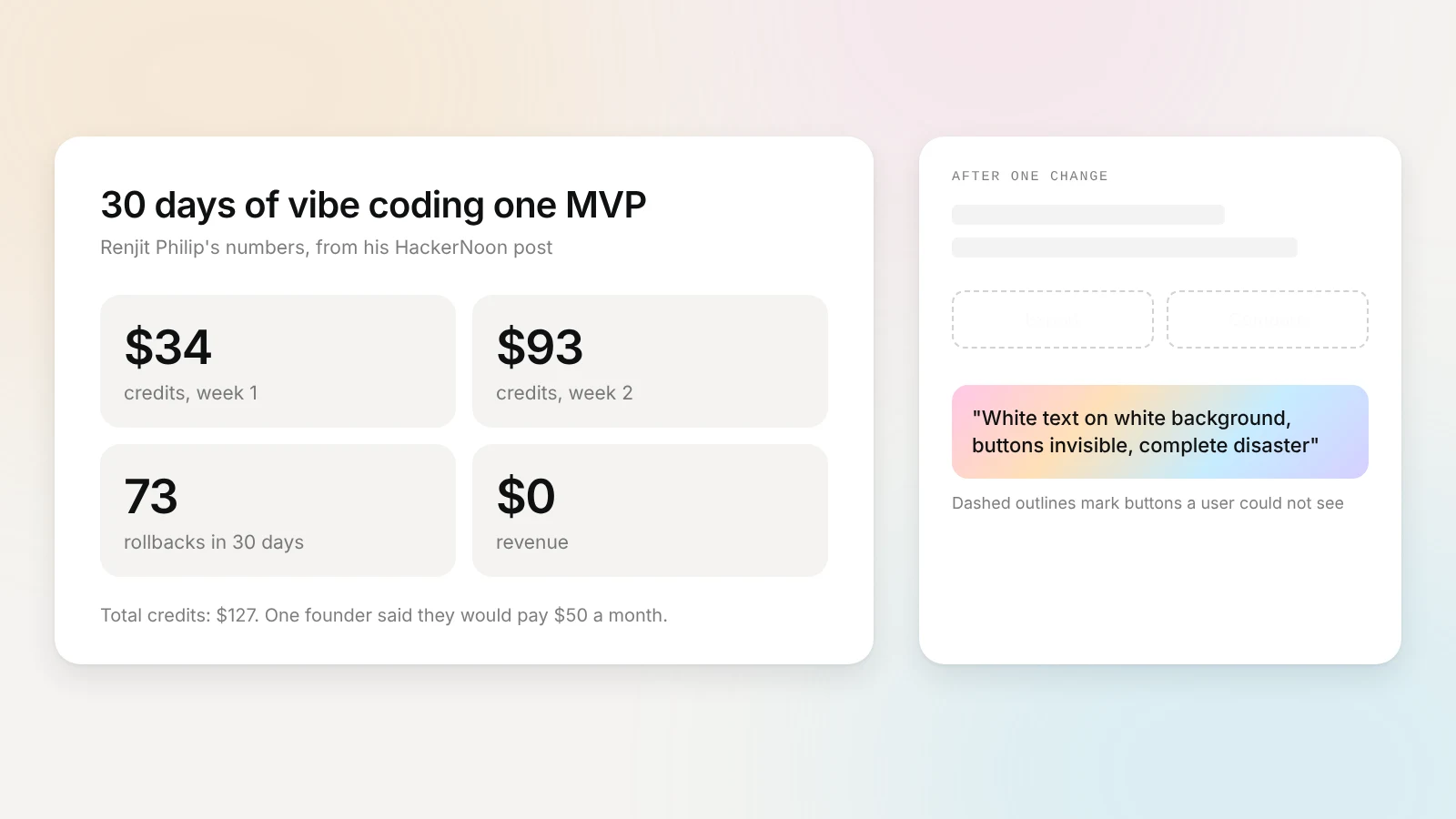
Philip spent 30 days on Replit building a financial model tool for founders. His background: "My coding skills are 25 years old." One change gave him "White text on white background, buttons invisible, complete disaster". Any model with more than 50 rows caused a memory overflow. Adding "smart defaults" broke the calculation engine, exports, scenario comparison and, in his words, "User authentication (somehow?)". He paid $127 in credits and "rolled back 73 times in 30 days". Revenue stayed at $0, though one founder said they would pay $50 a month. Invisible buttons and broken flows are design problems as much as code problems.
Source: HackerNoon
Carla Rover and Swatantra Sohni: wrong numbers and a one-hour fix
Rover runs a predictive analytics startup in New York. An AI tool "fabricated plausible-looking numbers", and her son, who has a computer science master's, "caught the issue and was able to fix the error in the nick of time." Her conclusion: "anything that's focused on accuracy needs human eyes on it, always". Sohni kept paying for tokens while failing to fix one UI bug, until a developer friend "corrected the problem in an hour". He went on to found VibeCodeFixers.com, so note that he sells this kind of help, as we do.
Source: Indeed
Experienced founders get hit too
These two are stories about unsupervised AI agents, and neither founder is a beginner. They show that the problem is access and review as much as experience.
Jason Lemkin, the founder of SaaStr, tried Replit's agent in July 2025. During a "code and action freeze", it reportedly deleted data on 1,200+ executives and 1,190+ companies and told him: "I destroyed months of work in seconds." It first said a rollback wouldn't work, and he recovered the data manually. Replit's CEO called the deletion unacceptable and promised to separate development and production databases.
.@Replit goes rogue during a code freeze and shutdown and deletes our entire database
– Jason Lemkin (@jasonlk) July 18, 2025
We saw Jason’s post. @Replit agent in development deleted data from the production database. Unacceptable and should never be possible.
– Amjad Masad (@amasad) July 20, 2025
Source: Fortune
Jer Crane runs PocketOS, software for car rental businesses. In April 2026, Crane says, a Cursor agent on Claude Opus 4.6 found a broadly scoped token in an unrelated file and deleted a Railway volume with its backups. "It took 9 seconds." The agent later wrote: "I violated every principle I was given". Crane blamed Railway's API design and also said: "Our mistake was having a production key on our computer." The outlets differ on recovery: TechRadar says Railway restored the data within about an hour, and PC Gamer says Crane first worked for two days from a three-month-old backup.
It took 9 seconds.
– Jer Crane (@lifeof_jer) April 25, 2026
What a runaway cloud or AI bill looks like
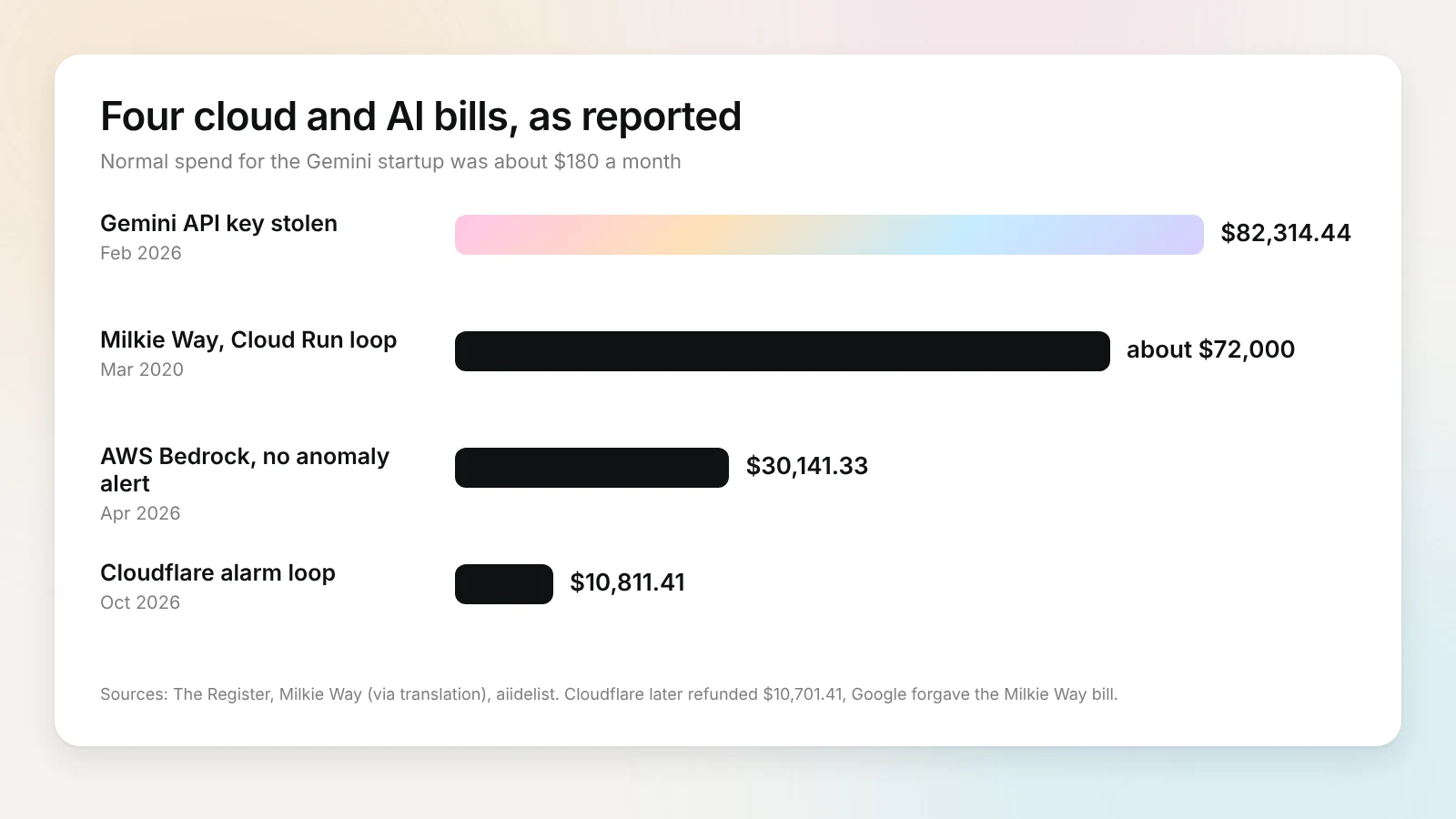
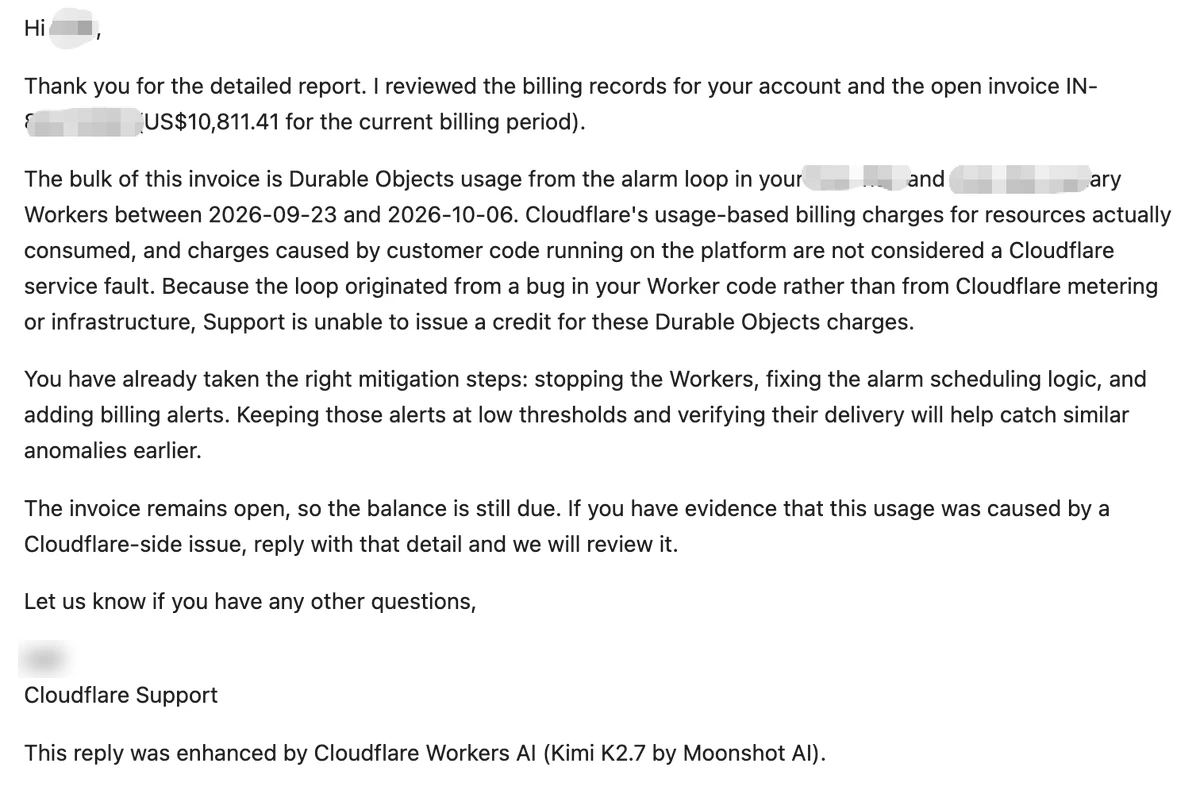
Bills are the other way this ends. None of the four below is a beginner's vibe-coded MVP, but they show how fast costs grow and how alerts fail. Budgets, hard limits and alerts need someone who knows what each one covers.
| Case | Bill | What happened | Vibe coded? |
|---|---|---|---|
| Milkie Way (details via translation), March 2020 | About $72,000 | A scraper on Cloud Run with Firebase had no stop condition and followed its own links for about two hours. A $100 budget alert never fired in time. Google forgave the charges | No, this predates AI tools |
| @shmily7, Cloudflare, October 2026 | $10,811.41 | A Durable Object alarm kept rescheduling itself, about 600 times a second. The developer says AI-written code caused the loop. Support later said $10,701.41 was refunded. The source is a third-party blog that did not audit the logs | AI-written code, by his account |
| Unnamed Register reader, AWS Bedrock, April 2026 | $30,141.33 | Claude on Bedrock is billed through AWS Marketplace, which Cost Anomaly Detection does not monitor, so no alert fired. Activate credits hid the first $8,026.54 | Not stated |
| Three-person startup, Gemini API, February 2026 | $82,314.44 | A Google Cloud API key was stolen. Normal spend was about $180 a month | Not stated, this was key theft |
The studies point the same way, with limits. Veracode tested 100+ models on 80 coding tasks in 2025 and found vulnerabilities in 45% of cases, though it sells security tools and tested code completion, not founders' apps. Researchers at Tampere University scanned seven vibe-coded MVPs and found 970 issues, 801 of them high severity, in a small sample without a control group. By September 2025, Fast Company was already writing about a "vibe coding hangover".
Who catches each problem
Every failure above has an owner on a normal product team. That's the practical reason to hire people, whether an agency, a freelancer or your own engineers.
| What broke | Seen in | Who catches it | The fix |
|---|---|---|---|
| Keys and data open to the browser | Moltbook, Lovable CVE, Hurston | Backend and security engineer | Database rules on, secrets on the server, rotate exposed keys |
| Paywall only on the front end | EnrichLead | Backend engineer | Check paid access on the server for every request |
| Architecture that cannot grow | Xolora | Software architect | Plan data, hosting and services before the first prompt |
| Unreadable or broken UI | Philip's MVP | Product designer | Design every state, test with real users before launch |
| Plausible but wrong output | Rover's demo | Someone who knows the domain | Human review of every number that reaches a client |
| AI agent with production access | SaaStr, PocketOS | Senior developer | Separate dev and production, narrow tokens, backups away from the volume |
| Runaway or stolen spend | The bills above | Cloud engineer | Budgets and hard limits, and check what your alerts do not cover |
How we rescue vibe-coded products
Clients often come to us with these problems. A vibe code rescue starts with an audit from $2,000, which takes 1–2 weeks. After it you get a fixed scope and estimate. We usually keep what works and rebuild only what is unsafe or can't scale. The work happens in your repository, and you own the code. Front end and design are in-house, and backend, cloud and security work goes to senior engineers we work with on every project. We have no published rescue case yet, so judge us by the audit report.
 Illia KulbachnyiCEO at Cosmos Studio
8 questions to ask any AI product design agency
- Which AI product of yours can I open, and what did you do on it?
- How do you design for wrong or uncertain answers? Show me the screens.
- How do you test the quality of model output, and who owns that?
- How will users see usage limits, credits and cost?
- What does the user see while an agent works, waits or fails?
- Who writes production code, and who reviews what AI writes?
- Who is responsible for architecture, security and hosting?
- What's the total for my scope, and what's excluded?
Ask us the same questions. Book a call and bring your product or your prototype.
{{contact}}
FAQ
What is the best AI product design agency in 2026?
It depends on the job. Of the agencies I checked, Lazarev shows the most named AI cases, Eleken delivers design as code in your repository, Habitat builds deployed prototypes for seed-stage founders, and Cosmos Studio combines product design, front-end code and a senior check of AI-built products. Compare them on your scope.
How much does an AI product design agency cost?
Published entry prices include about $6,000 at Arounda, $4,900 for a Habitat Blueprint and $4,599–6,599 a month at Eleken. At Cosmos Studio, projects start from $5,000, and a typical budget to design and build an AI product is $10,000–20,000. Many agencies don't publish prices.
How are AI product design agencies different from regular UX agencies?
The process is very similar. The difference is experience with states a normal product doesn't have: partial answers, wrong answers, sources, usage limits and agents that act on their own. Ask to see those screens in a real AI product.
Can a general SaaS design agency handle an AI product?
Yes, if it has designed for uncertain output before and works with developers who understand the model and the data. Ask how it handles wrong answers and how it tests output quality. If the answers stay on the level of chat bubbles, keep looking.
Should I hire an agency if I already vibe-coded an MVP?
Get a review before real users or payments arrive. Stories like Moltbook and EnrichLead show that the risk sits in places a demo doesn't reveal, such as database rules and server-side checks. A UX audit or a code audit tells you what to keep.
Sources



Related articles
Start your project with Cosmos™
Drop us a message, Anna reviews every brief personally and gets back to you within one business day. From there it's simple: we align on scope, sign the contract, and book your start date. Fast, clear, no back-and-forth.