Claude Meetings, Figma 3D transforms, ChatGPT Wallet – AI & Design Weekly #8


Claude Meetings, Figma 3D transforms, Gemini 4 Hydrogen, ChatGPT Wallet, Google Labs Tabletop, llama.cpp 1.0, SE3 $30M: November 11–17, 2026.
Key takeaways:
- Claude Meetings joins Google Meet calls as a visible participant that takes notes and builds docs; beta for Team and Enterprise.
- Figma 3D transforms are in open beta for Full seats; Dev Mode shows CSS and coding agents read them via Figma MCP.
- Gemini 4 Hydrogen costs $1.50/$7.50 per million tokens and is 2.5x faster than Gemini 3.8 Flash, per Google.
- ChatGPT Wallet lets agents pay after a Face ID or fingerprint check, with a token instead of the card number; at first only in dots, for US Pro users.
- SE3 raises $30M led by Accel to fuse drone and ground robot sensors into one 3D picture.
Twice a week I pick the AI and design news that matter to people who build products. This issue is about AI stepping into moments that used to be only human: the team call, the 3D canvas, the checkout button, the group chat where friends plan a trip. Each one raises the same design question – what may the AI do on its own, and where does a person confirm.
1. Anthropic's Claude Meetings joins Google Meet calls as a visible participant
On November 12 Anthropic launched Claude Meetings in beta for Team and Enterprise plans. Claude joins a Google Meet call as a participant everyone can see. It takes notes and action items, answers questions in the chat or out loud, and builds documents and whiteboards while the call is still running. Anthropic says it saves the transcript, a summary and descriptions of shared screens, but not the audio. Other meeting platforms are "coming soon". During the beta, notes and transcripts are free, and artifacts made in meetings are free until February 10, 2027. The feature is not available to organizations with zero data retention, HIPAA-ready or customer-managed encryption setups.
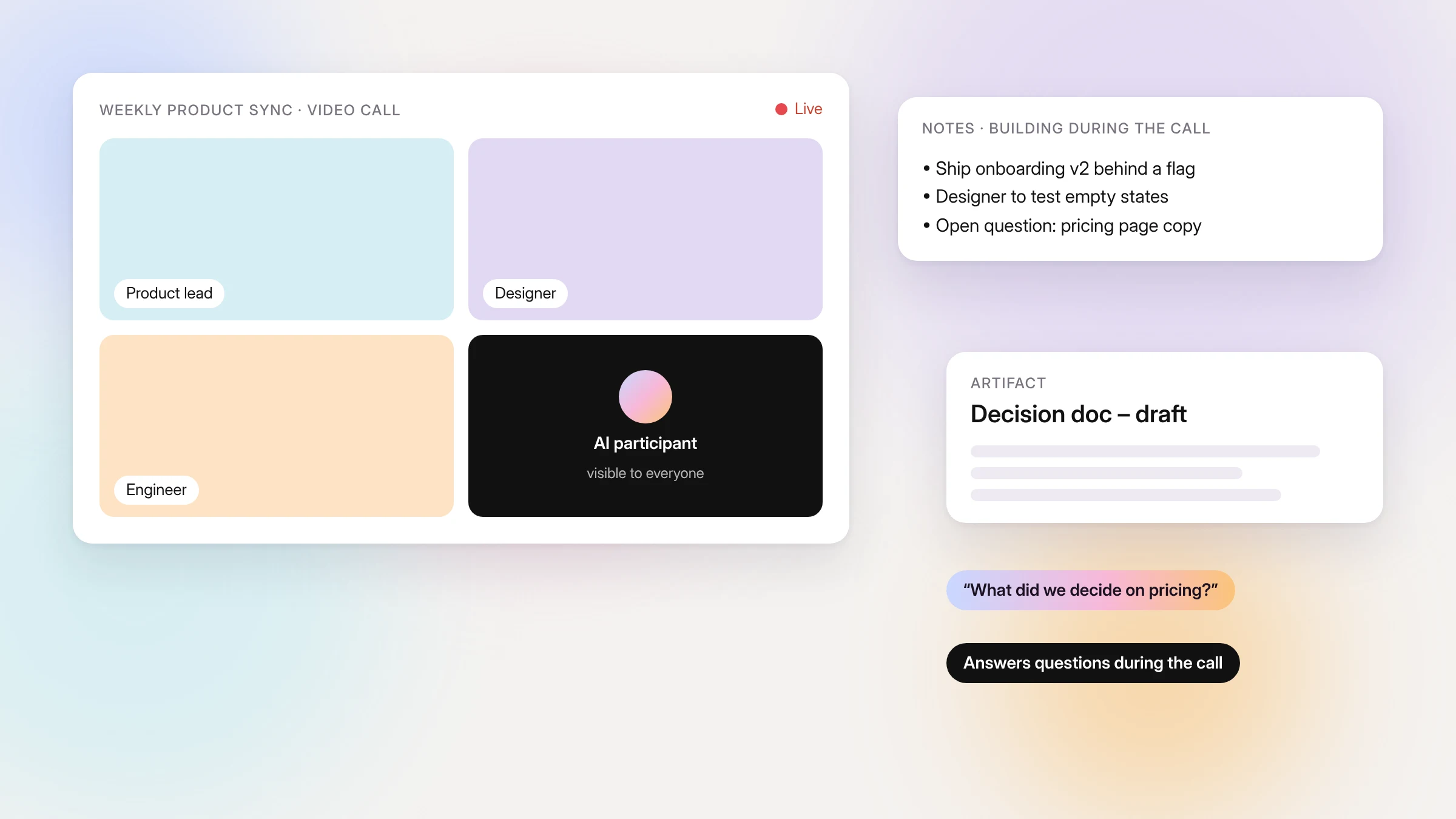
Why it matters: a meeting bot used to be a silent recorder. Now it is a participant that can talk, so the design work shifts to social cues: how people know it is there, how they invite it to speak, how they stop it, and who sees what it wrote. These are the patterns we design in AI agent UX.
Illia's take: The hard part here is not the notes, it is the etiquette. A visible AI in the call changes how people speak, especially clients. Before you turn it on for external calls, agree as a team when it joins, when it stays out, and who owns what it produces.
Source: Anthropic: Claude Meetings
2. Figma adds 3D transforms, and coding agents can read them through Figma MCP
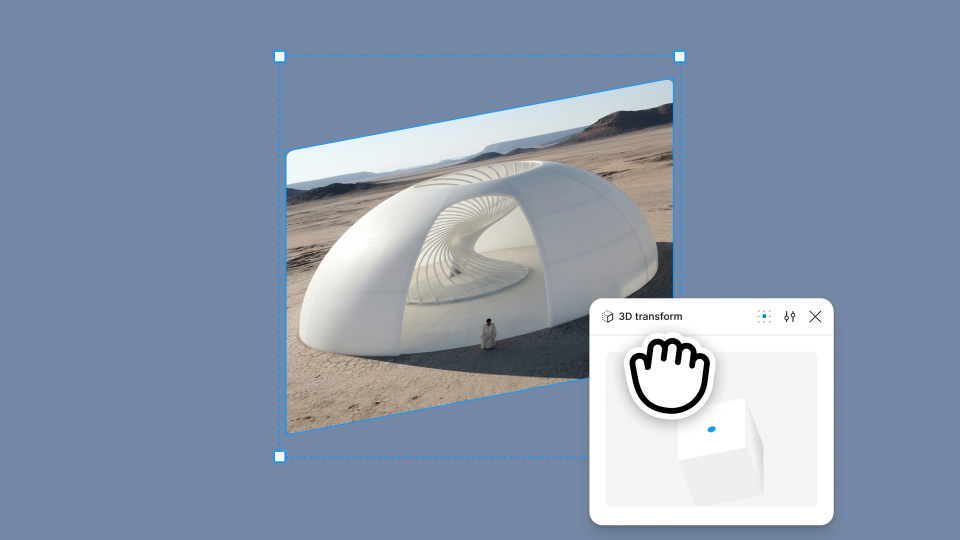
On November 12 Figma released 3D transforms in open beta for all Full seat users. You can rotate layers on the X, Y and Z axes and add perspective on the parent frame, right in the canvas, without plugins. The effect is non-destructive. Dev Mode shows the matching CSS transform, and coding agents can read and create 3D designs through the Figma MCP server. Figma's blog also shows how the team asked the Figma agent, now generally available, to build a 3D scene and animate it with keyframes in Figma Motion for the launch video.
Why it matters: depth and perspective used to mean a trip to a 3D tool or a pile of exported images. Now a designer can set it up where the rest of the interface lives, and the developer or a coding agent gets real CSS values instead of a guess. Use it with restraint: 3D draws the eye, so it belongs on the one thing you want people to notice. We use motion and 3D this way in 3D, video and motion production.
Sources: Figma Blog: how 3D transforms and Figma's agent brought a launch video to life; Figma Help: create 3D effects in Figma Design
3. Google releases Gemini 4 Hydrogen, a fast model for everyday and agent work
On November 12 Google released Gemini 4 Hydrogen, a faster model that sits next to its frontier models Gemini 4 Carbon and Argon. It costs $1.50 per million input tokens and $7.50 per million output tokens, the same price across the full 1M-token context. Google reports that Hydrogen is 2.5 times faster than Gemini 3.8 Flash and scores 57% on Terminal-Bench 4.1 against 18.2% for that model. On the Artificial Analysis Intelligence Index it scores 51 at default settings and 54 at its highest reasoning setting. Hydrogen is available globally in the Gemini app, Google Search, AI Studio and the Gemini API, and in Antigravity for paid AI Pro and Ultra subscribers.
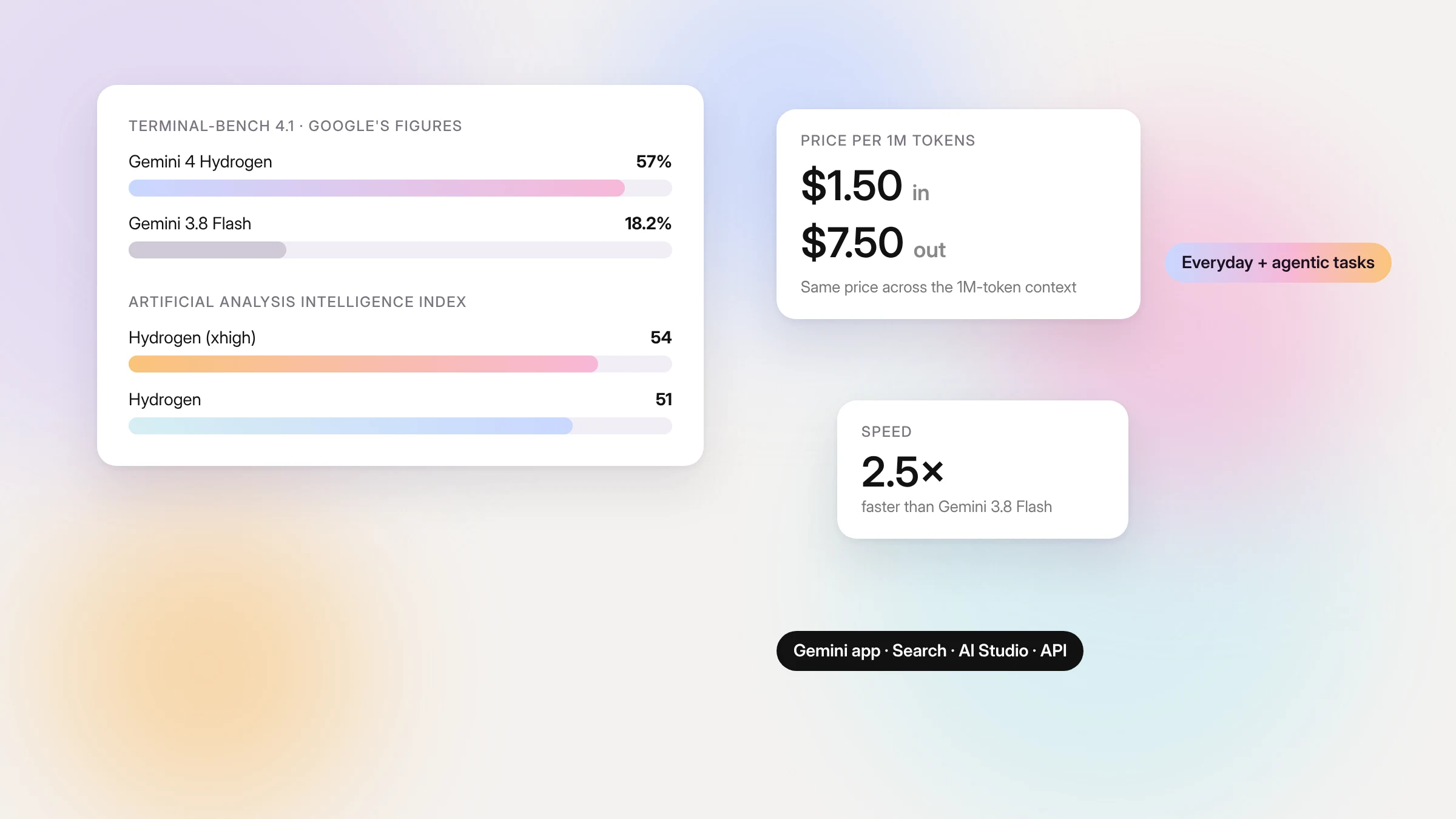
Why it matters: most AI features in a product do not need the biggest model. They need one that answers fast and costs little per call, so the feature can run on every screen, not only behind a button. Faster mid-tier models let product teams design AI that responds while the user is still looking at the page. That is the starting point of our AI product design work. Benchmarks here are Google's own figures.
Source: Google: introducing Gemini 4 Hydrogen
{{newsletter}}
4. OpenAI launches ChatGPT Wallet so agents can pay after you confirm
On November 13 OpenAI introduced ChatGPT Wallet, which lets AI agents complete purchases for the user. Every purchase needs a security check with Face ID or a fingerprint. The agent and the merchant receive a payment token, not the real card number, and card rewards and dispute protections stay in place. American Express, Chase, Mastercard and Visa are partners. At first the Wallet is limited: it works through dots, for ChatGPT Pro subscribers aged 18 and over in the US with eligible US-issued cards.
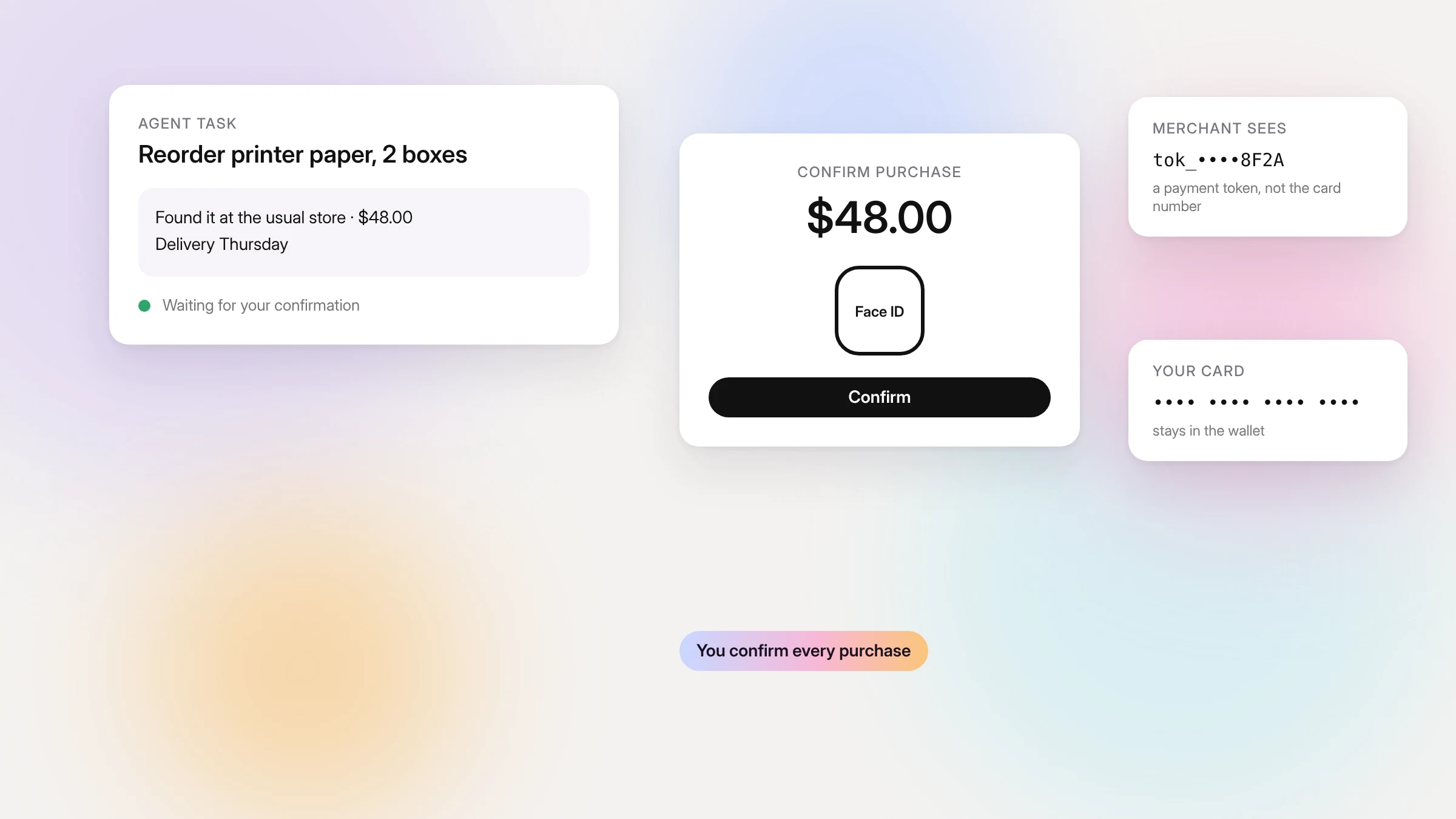
Why it matters: when an agent can buy, the confirmation screen becomes the most important screen in the flow. It has to show exactly what is being bought, from whom and for how much, in a few seconds, on a phone. If you run a store or a SaaS checkout, your product data and prices now need to be clear enough for an agent to read and for a person to approve at a glance. We design flows like this in product UX/UI design.
Illia's take: The pattern to copy is "the agent proposes, the person confirms". It is slower than full autonomy, but it is the version people will trust with their money. If your product lets an agent act for the user, design that one confirm step first and make it impossible to misread.
Source: OpenAI: introducing ChatGPT Wallet
5. Google Labs tests Tabletop, a shared AI space for group plans
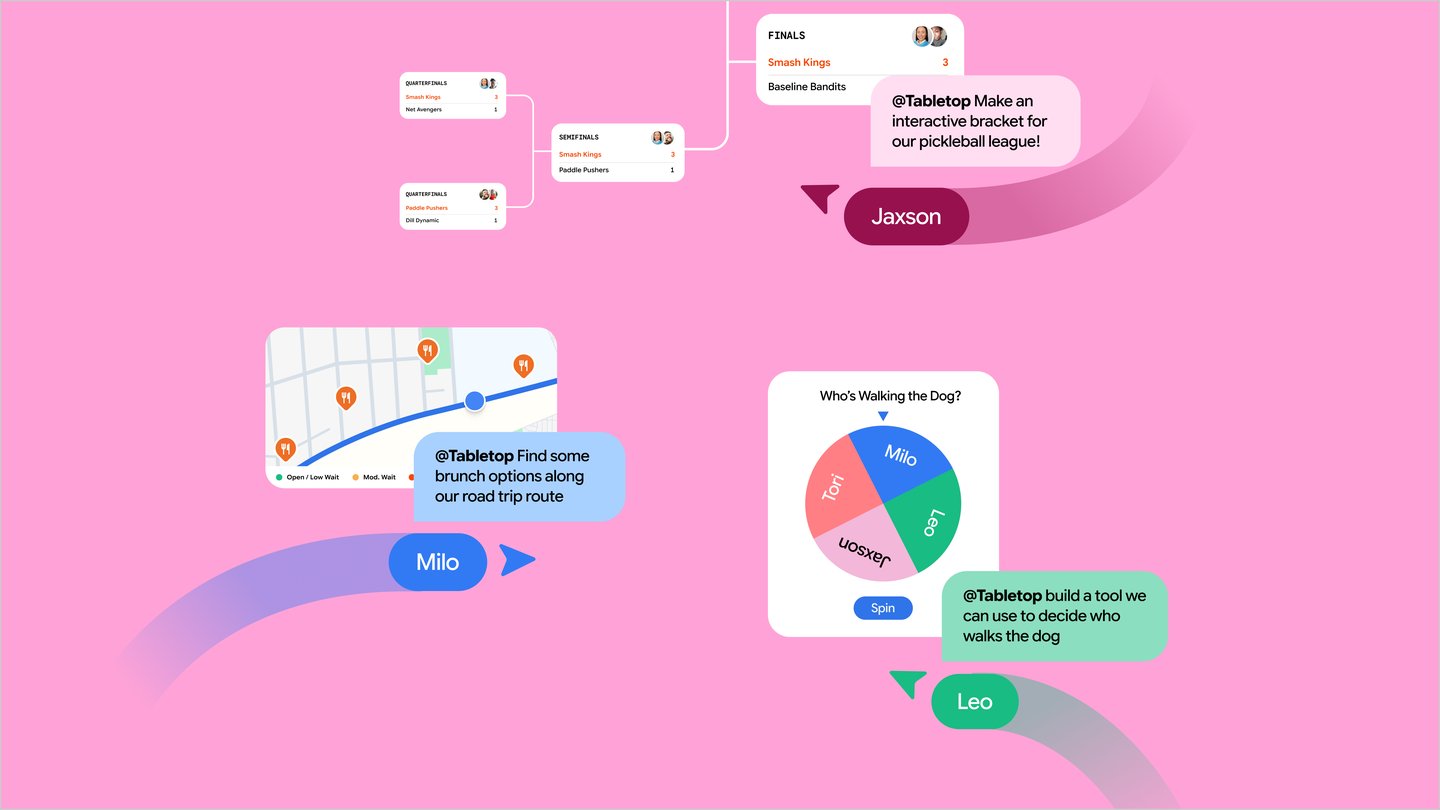
On November 11 Google Labs introduced Tabletop, an experiment for groups that plan things together. People add links, files and ideas to a shared space, then prompt @tabletop or pick a starter template. Tabletop builds interactive itineraries, polls, expense splitters and brackets that everyone opens from one invite link and edits in real time. It is rolling out in the US to people aged 18 and over, through a waitlist.
Why it matters: most AI products are built for one person typing to one assistant. Tabletop is a bet on AI for groups, where the output is a small app the whole group uses: a poll, a split bill, a plan. Group AI brings new questions – whose prompt wins, who can edit, how changes are shown. We work through these questions in SaaS UX design for collaborative products.
Source: Google: Tabletop from Google Labs
6. llama.cpp and ggml reach version 1.0.0
On November 13 the ggml-org team released llama.cpp and ggml 1.0.0, about three and a half years after the project started. llama.cpp is the open-source engine behind many tools that run AI models locally on laptops and phones. With 1.0.0, both libraries publish versioning rules: a major version bump now signals that the API or ABI has changed in an incompatible way. The team says llama.cpp supports more than 150 model architecture variants.
Why it matters: local AI is becoming a stable building block, not a weekend project. For products with private data, offline use or strict costs, running a model on the device is now a real option, with clearer rules for updates. That changes design choices too: what works offline, what waits for the cloud, and how the interface shows the difference. We help teams make these calls in AI product design.
Source: Hugging Face Blog: llama.cpp v1.0.0
7. SE3 raises $30M to give drones and ground robots one shared 3D picture

On November 12 SE3, a Munich startup, announced a $30M Series A led by Accel, with Keen, Lakestar and Seedcamp. SE3 builds software that runs on the edge and works with drones and ground vehicles from different makers. It fuses their sensor data into one shared 3D picture, coordinates groups of robots, takes voice commands and works without satellite navigation (GNSS). SE3 names Rheinmetall, HENSOLDT, Auterion and ERC System as partners. The company says the money will grow its engineering, commercial and operations teams, and Resilience Media reports plans for a UK office.
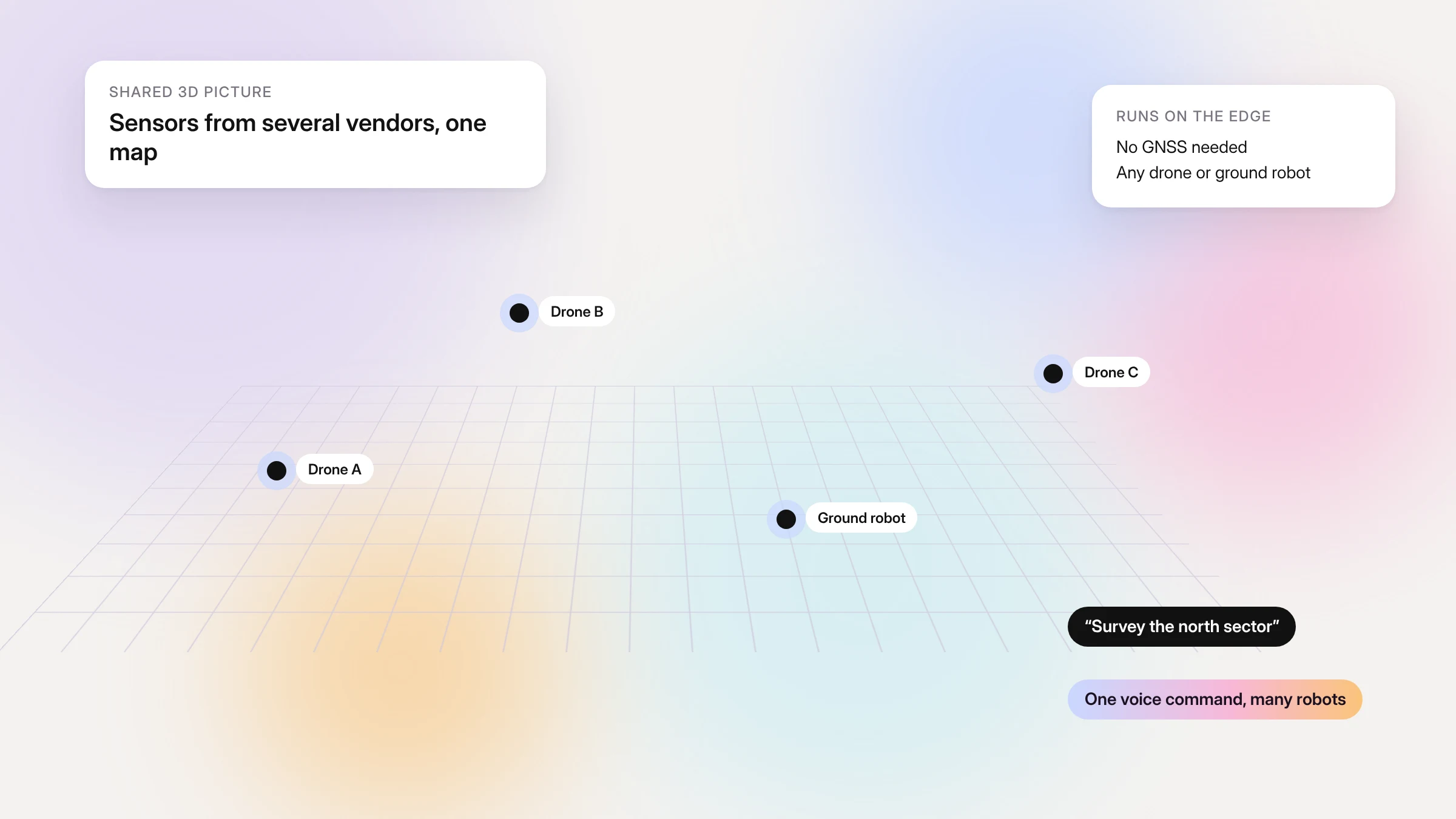
Why it matters: when one operator works with many robots from many vendors, the shared picture is the product. If each drone brings its own screen, the operator spends attention switching tools. A single 3D view and plain commands move the hard work into the interface: what to show, what to hide, and how to confirm a command reached the right machine. This is what we design in drone ground control station UI.
Sources: SE3: SE3 raises $30M led by Accel; Resilience Media
{{case}}
Also this week
- Anthropic now offers a self-hosted version of Claude Managed Agents: your company runs the agent service, sandboxes and session history in its own cloud or data center, while the model runs at Anthropic or a chosen provider. Access goes through the Anthropic account team. Claude Docs
- Edge0 released open weights for Edge0-145B and Edge0-120B, mixture-of-experts models; the 145B model uses about 10B active parameters per step. By Edge0's own tests, the 145B model runs on a 48GB laptop. Edge0
- Toronto-based Arcanus Aerial Systems closed an oversubscribed Series A of more than US$27M to build drone and counter-drone technology in Canada. DroneXL
At Cosmos Studio we design AI products, agent flows and operator consoles for SaaS and defense-tech teams. See our work, and if you are deciding where AI should act on its own in your product and where a person confirms, let's talk.
{{contact}}
We design AI agents people trust: approvals, task progress, logs, permissions and error recovery. Senior UX/UI and React front-end for agentic products.
FAQ
What is AI & Design Weekly?
A twice-weekly digest by Illia Kulbachnyi and the Cosmos Studio team with the AI and design news that matter to teams building SaaS, AI and defense-tech products.
How do you pick the stories?
We read 30+ design, AI and defense-tech sources and check every claim against the original source. When only a secondary source confirms a detail, we say so under the story.
How should a product ask a person to confirm what an AI agent does?
Show the action in plain words before it happens: what, for whom, how much and what can be undone. Ask for one clear confirmation at the step that costs money or cannot be reversed, and keep a log the person can check later. We design these flows in AI agent UX design projects; book a call to discuss yours.

Related articles
Start your project with Cosmos Studio™
Drop us a message, Anna reviews every brief personally and gets back to you within one business day. From there it's simple: we align on scope, sign the contract, and book your start date. Fast, clear, no back-and-forth.
